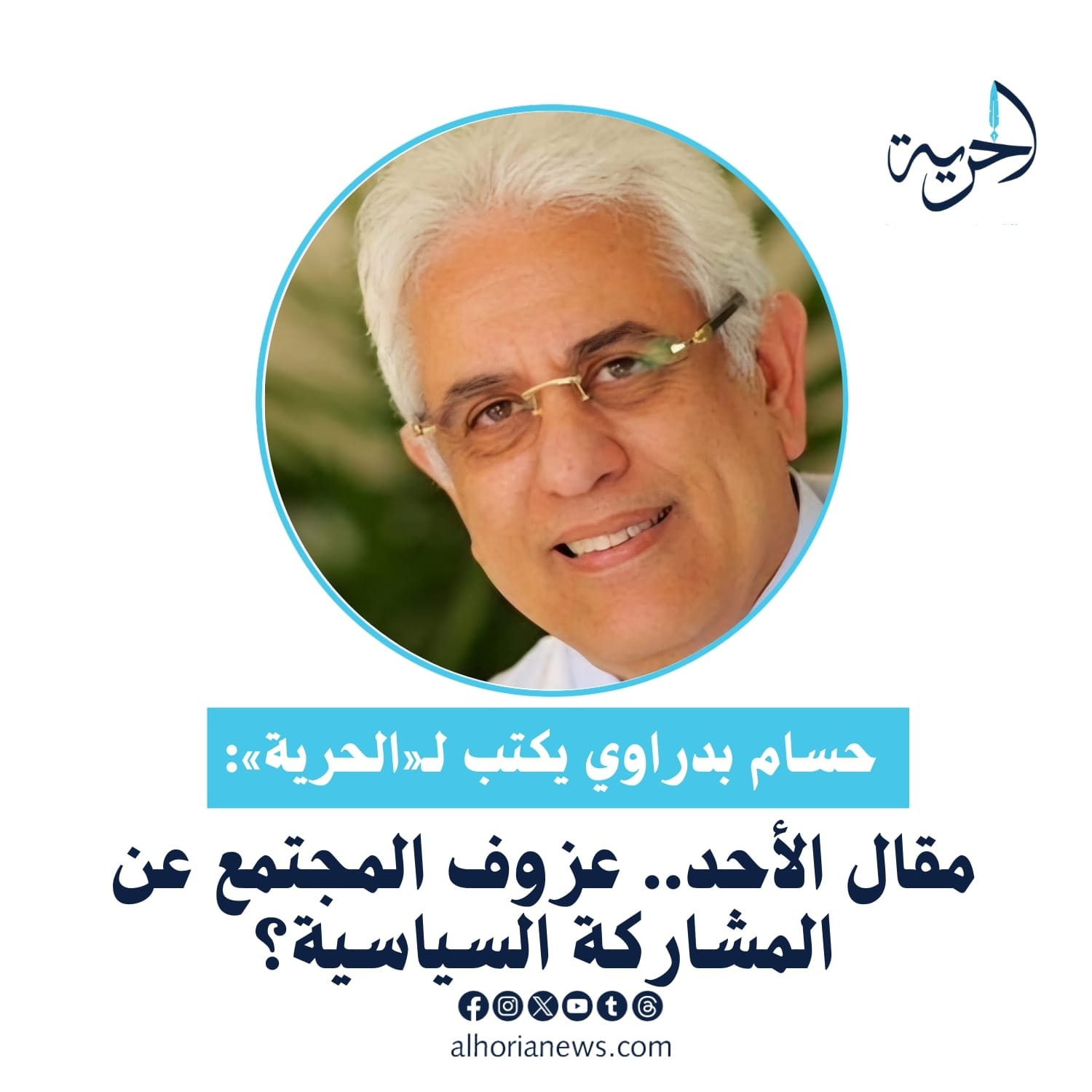
Every time the door to political participation opens in our societies, the same scene repeats: weak turnout, widespread apathy, and silence that speaks louder than words.
This is not due to laziness or ignorance, as some like to claim. Rather, it is a deep expression of lost trust, broken hope, and citizens’ alienation from public life.
When people feel participation brings no change, and outcomes are predetermined, politics becomes a futile exercise.
When elections are mere formality, opposition is decorative, and parties are paper entities, withdrawal becomes a defensive act, not a negative one.
Humans are not machines reprogrammed every election cycle. Collective memory retains broken promises, voiceless parliaments, and politicians who traded in people’s hopes.
So when citizens are asked to participate, their inner response is:
“Why? What will be different this time?”
In some contexts, expressing opinions is risky. Fear of prosecution, job loss, or defamation pushes many to stay silent. Thus, withdrawal is not ignorance but a means of survival.
Absence of a Real Alternative
Sometimes the issue is not repression alone, but the absence of inspiring leadership, mature visions, and realistic projects. Without these, who will convince citizens that their voice matters?
Preoccupation with Daily Struggles
In crisis-ridden societies, survival takes precedence over the ballot box. Citizens retreat from public affairs not out of disdain, but because daily life consumes all their energy.
A Glimpse of Recent History
Despite my reservations about the outcomes of the January 25 Revolution, it is undeniable that it sparked unprecedented political engagement. In its early days, we witnessed an explosion of collective awareness and unique patriotism, later echoed in June 30 when crowds mobilized to oust the Brotherhood’s rule.
That spirit has not died. It may lie dormant under the ashes of frustration, but it lives on—ready to reawaken if people sense sincerity, see real hope, and feel they are partners, not spectators.
Where Do We Go from Here?
Society’s withdrawal is not inevitable fate; it is a symptom of a deeper illness: mistrust, accumulated disappointments, and broken dialogue.
To revive political life, opening ballot boxes is not enough. We must:
-
Create a safe environment for free expression
-
Revitalize genuine political parties independent of external control
-
Empower youth and women to participate meaningfully
-
Recognize that reform begins at the grassroots, but decisions are made at the political summit
Conclusion
When people disengage from politics, we should not blame them. We should ask ourselves:
What made politics so repellent?
By answering honestly, we begin the path of true reform.
Participation is not a luxury—it is the sign of a healthy nation. When a fair environment and free atmosphere exist, collective awareness revives… and with it, hope.