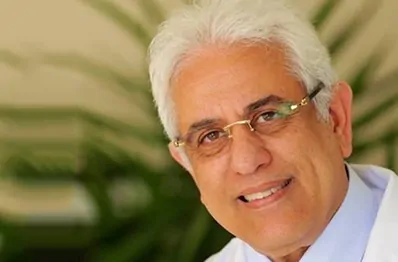
In an age when the noise of interests grows louder and political decision-making is reduced to equations of power, a humane stance shines before us—reminding us that politics can be a moral act before it is a game of influence. This was embodied in the resignation of the Dutch foreign minister and several of his colleagues in protest at their government’s hesitation to take a clear stand against Israel’s brutal practices in Gaza.
On the surface, this resignation is a withdrawal from power, but in essence, it is a profoundly moral act. Here, resignation is not an escape but a higher presence: the presence of the free human being in the face of a silent state.
Politics as a Moral Act
From Socrates to Kant, philosophers have asked: is politics governed by the logic of power or by the logic of justice? The ministers’ resignations provide a practical answer: there comes a moment when silence becomes complicity in crime, and at that point, office is no longer a privilege but a moral burden.
This stance speaks louder than thousands of speeches, for it translates words into action and turns rhetoric into personal sacrifice.
Between the Seat and the Conscience
How many leaders in our Arab world and the so-called Third World cling to their chairs until the last moment, indifferent to blood spilled or homelands lost? How many officials imagine that office is an end in itself, not a means to serve truth and justice? Who resigned, and why?
Caspar Veldkamp resigned in protest at the government’s failure to take clear measures—such as imposing sanctions on Israel—despite Gaza facing a worsening humanitarian catastrophe, with the United Nations declaring parts of the strip under famine conditions.
Following him, all ministers of the New Social Contract (NSC) party stepped down, including:
- Eddy van Hijum (Social Affairs)
- Judith Uitermark (Interior)
- Abou Bruins (Education)
- Daniëlle Jansen (Health)
This came after street protests in the Netherlands against what was seen as government hesitation in confronting the disaster in Gaza. The Hague witnessed massive demonstrations unprecedented in decades: more than 100,000 in May, rising to 150,000 in June.
The public drew a clear symbolic line, demanding that the government end its silence and abandon double standards.
A Universal Human Dimension
When a minister loses his office in defense of Gaza’s suffering, this is not merely a defense of Palestinians but of human dignity itself. It reminds us that politics can be an act of human solidarity, not just a pursuit of narrow interests.
The meaning of these resignations goes beyond a political announcement. It is a profound moral lesson: true power does not belong to the one who clings to the chair, but to the one who refuses to sit on it in silence before injustice.