2026 Collective Activities & ArticlesAl-Mawqi WebsiteAll ArticlesBy Dr BadrawiTranslated Articles

Dr. Hossam Badrawi writes for Al-Mawqi‘: On the Book “The Era of Soad” Thank You, Khaled Montasser

On the anniversary of her birth – January 26, 1943

It is not easy to write about Soad Hosny, and it is even harder to write to her without falling into the trap of nostalgia or elegy.

But the book “The Era of Soad,” which was gifted to me by my dear friend Khaled Montasser, does not do that. Instead, it goes to a truer place: the place of the human being around and behind the image.

This is not a conventional book, nor an attempt to settle scores with a harsh era. It is direct and symbolic at the same time.

It is an act of love, and an acknowledgment that some faces are unforgettable because they wound us—sometimes more than we can bear.

Soad Hosny was not just an actress. She was the girl from the neighborhood, the university friend, the lover who was fulfilled and unfulfilled at the same time. She was the smile that hid uncertainty, and the strength that passed through the doorway of fragility.

When we see her today, we do not remember her films alone; we remember ourselves—our simple dreams, our first disappointments, and our innocence, which we only noticed at the moment we lost it.

What distinguishes this book is that its author did not treat Soad as a case, a mystery, or a journalistic subject. He wrote her as someone saying:

“I know you… and perhaps I did not save you, but I will not allow you to be distorted.”

He wrote her with the mind of a physician who understands pain, the heart of an intellectual who recognizes society’s cruelty toward those who are different, and the conscience of a friend who refuses to reduce an entire life to a tragic ending.

Soad in Our Imagination… Not in Accident Archives

The most beautiful thing about the book is that it restores Soad to her natural place: living memory, not newspaper pages.

Here, Soad is not merely a victim, but a woman who paid the price for heightened sensitivity in a brutal world, and an artist who was ahead of her time in expressing womanhood, freedom, and human anxiety.

I salute Dr. Khaled Montasser for this honest book, and I salute in it the courage to write against the current, against banality, and against easy cruelty.

And I salute Soad Hosny—not as a sad memory, but as a permanent presence, as a smile that still inhabits our collective consciousness, reminding us that some people leave in body, but remain a whole life within us.

Thank you, my friend Khaled Montasser.

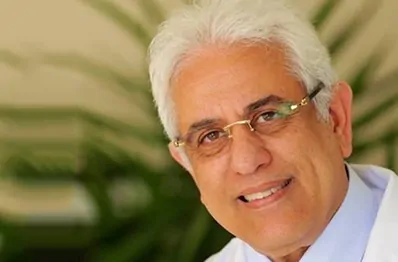
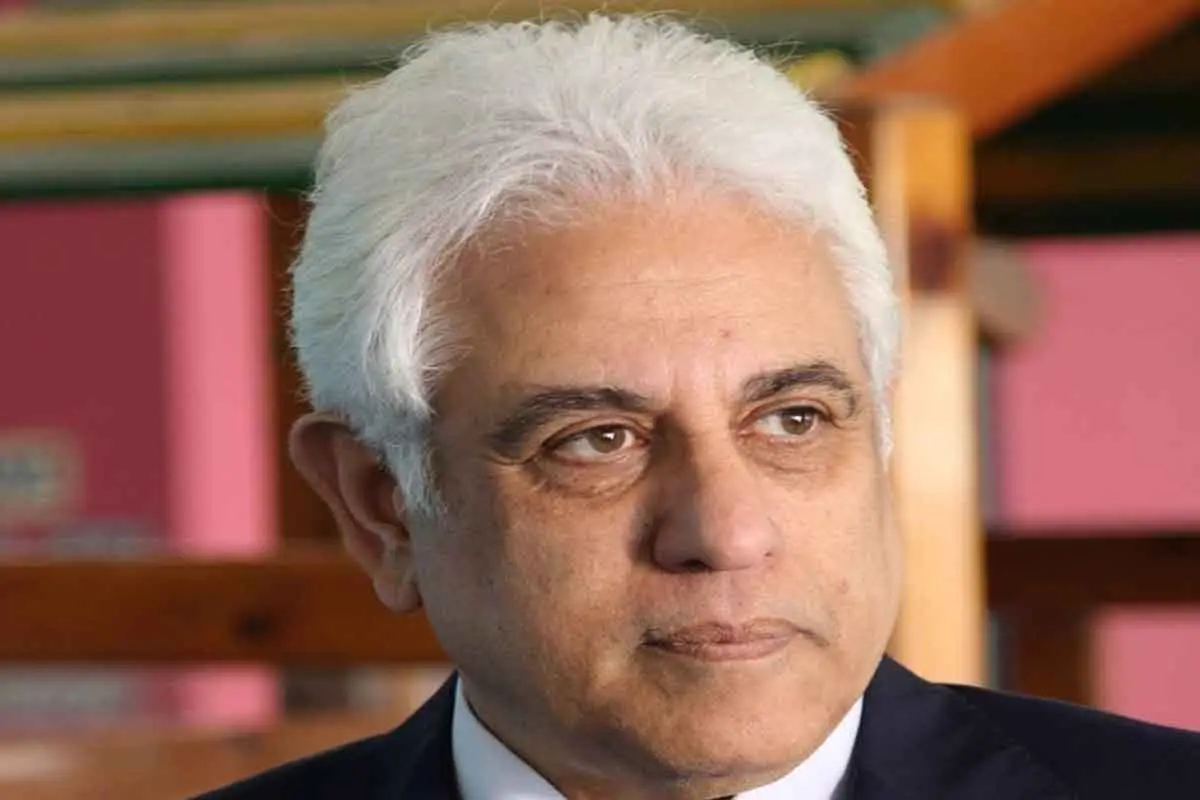
Dr. Hossam Badrawi

He is a politician, intellect, and prominent physician. He is the former head of the Gynecology Department, Faculty of Medicine Cairo University. He conducted his post graduate studies from 1979 till 1981 in the United States. He was elected as a member of the Egyptian Parliament and chairman of the Education and Scientific Research Committee in the Parliament from 2000 till 2005. As a politician, Dr. Hossam Badrawi was known for his independent stances. His integrity won the consensus of all people from various political trends. During the era of former president Hosni Mubarak he was called The Rationalist in the National Democratic Party NDP because his political calls and demands were consistent to a great extent with calls for political and democratic reform in Egypt. He was against extending the state of emergency and objected to the National Democratic Party's unilateral constitutional amendments during the January 25, 2011 revolution. He played a very important political role when he defended, from the very first beginning of the revolution, the demonstrators' right to call for their demands. He called on the government to listen and respond to their demands. Consequently and due to Dr. Badrawi's popularity, Mubarak appointed him as the NDP Secretary General thus replacing the members of the Bureau of the Commission. During that time, Dr. Badrawi expressed his political opinion to Mubarak that he had to step down. He had to resign from the party after 5 days of his appointment on February 10 when he declared his political disagreement with the political leadership in dealing with the demonstrators who called for handing the power to the Muslim Brotherhood. Therefore, from the very first moment his stance was clear by rejecting a religion-based state which he considered as aiming to limit the Egyptians down to one trend. He considered deposed president Mohamed Morsi's decision to bring back the People's Assembly as a reinforcement of the US-supported dictatorship. He was among the first to denounce the incursion of Morsi's authority over the judicial authority, condemning the Brotherhood militias' blockade of the Supreme Constitutional Court. Dr. Hossam supported the Tamarod movement in its beginning and he declared that toppling the Brotherhood was a must and a pressing risk that had to be taken few months prior to the June 30 revolution and confirmed that the army would support the legitimacy given by the people

Related Articles

Back to top button