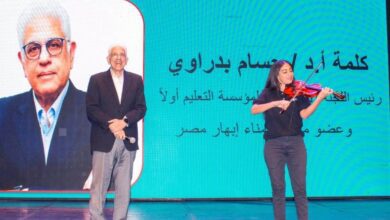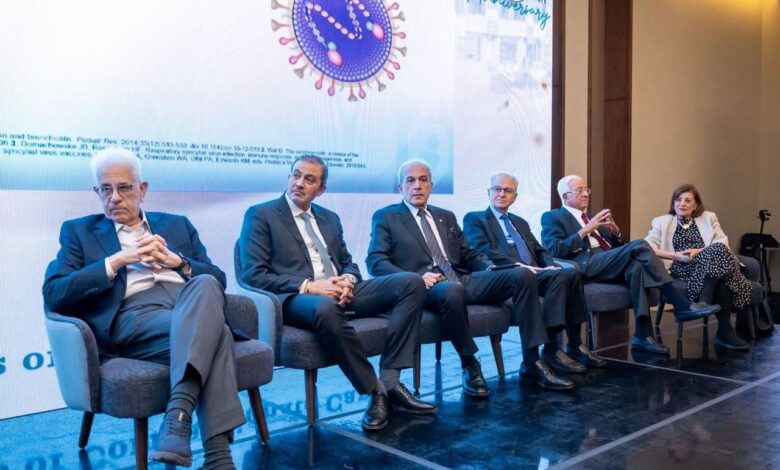
I participated in an elegant evening celebration at the invitation of my friend and colleague Dr. Omaima Idris and Dr. Amira Idris, marking the tenth anniversary of the opening of Rofayda Hospital in Sheikh Zayed.
The celebration also included a scientific discussion on vaccination during pregnancy, in the form of an academic clinical seminar attended by professors of obstetrics, pediatrics, and related medical specialties.
I would like to commend Rofayda Hospital for its establishment, development, services, and patient care.
Through my experience, I know how difficult it is to manage a distinguished medical institution while maintaining a balance between a humane professional mission and sound economic management.
Therefore, my congratulations on Rofayda’s tenth anniversary—while maintaining this level of quality, continuing development, and opening new departments—reflect an achievement worthy of recognition.
As for the scientific seminar, I would like to summarize some of the points that were discussed:
The new concept in maternal vaccination is that the goal is no longer only to protect the mother, but rather to “vaccinate the fetus by proxy” through antibodies that cross the placenta and protect the baby during the first months of life.
Today, the discussion centers around four key vaccines during pregnancy:
- Influenza vaccine
- Tdap vaccine (for whooping cough)
- COVID-19 vaccine
- RSV vaccine
with proper timing adjusted for each vaccine.
The American College of Obstetricians and Gynecologists (ACOG) considers these vaccines part of modern pregnancy care, despite some recent political and administrative confusion surrounding certain recommendations in the United States.
The most important new development is:
The RSV vaccine administered to pregnant women between weeks 32 and 36+6 of pregnancy, aimed at protecting newborns against severe respiratory infections.
An alternative approach is giving the newborn protective antibodies, such as nirsevimab, after birth.
Vaccination during pregnancy is not merely a personal decision; it is the first preventive act a mother performs for a child not yet born.
Medicine here is not treating illness—it is preventing a story of suffering before it begins.
What is RSV?
RSV stands for Respiratory Syncytial Virus.
It is a very common virus that affects the respiratory system, but its significance lies in its potential to cause severe illness in:
- Newborns and infants, especially those younger than six months
- Elderly individuals
- People with chronic illnesses or weakened immune systems
During the first months of life, an infant’s immune system has not yet fully developed, which is where maternal vaccination becomes important.
When the mother receives the RSV vaccine during the last trimester of pregnancy (usually between weeks 32 and 36), she produces antibodies that cross the placenta to the fetus.
As a result, the baby is born with temporary protection against the virus during the first few months of life—the period of greatest risk.
What is new scientifically?
There are now two modern strategies for protecting infants from RSV:
- Vaccinating the pregnant mother with the RSV vaccine
- Giving the newborn long-acting protective antibodies after birth
These approaches represent an important shift in preventive medicine—from waiting for disease to occur, to protecting the child before birth itself.