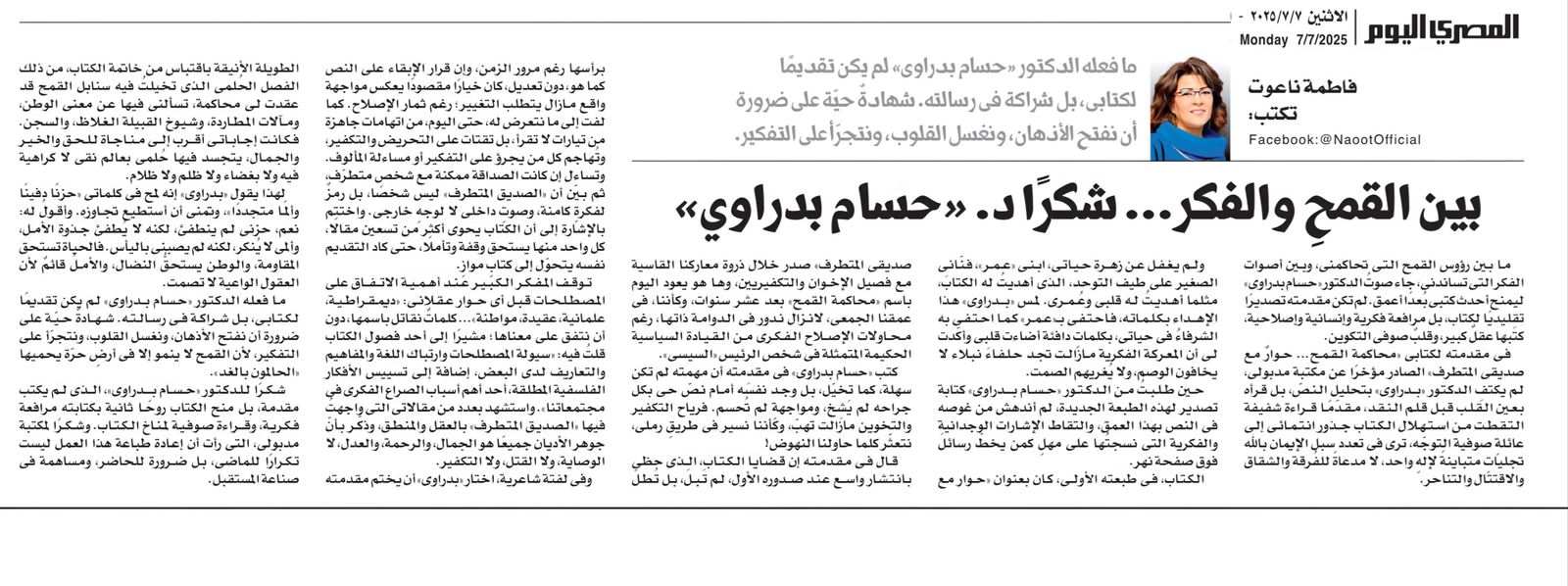
Between Wheat and Thought… Thank You, Dr. Hossam Badrawi
By: Fatima Naoot
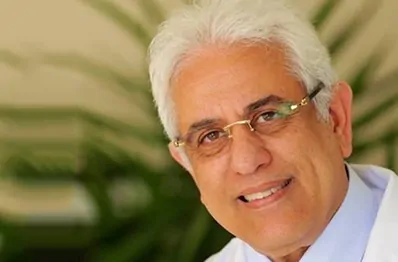
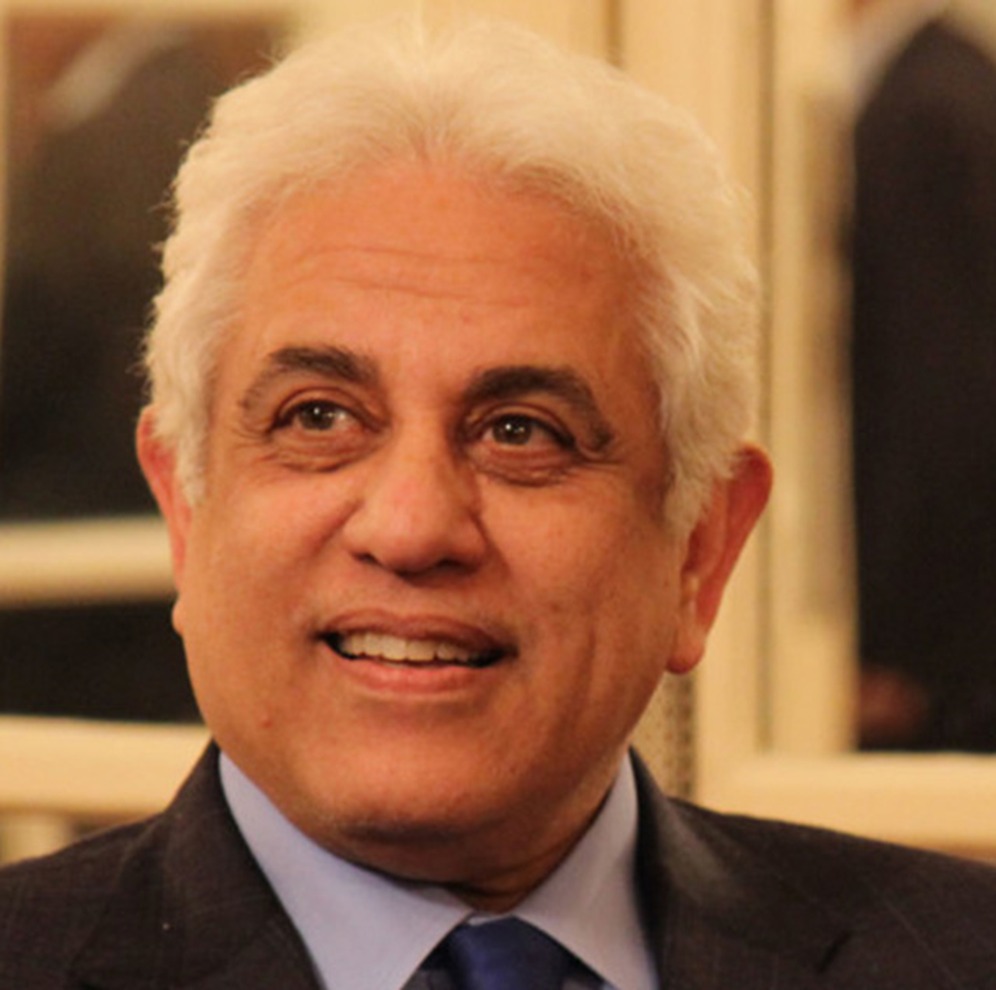
Between the heads of wheat that put me on trial and the voices of thought that support me, came the voice of Dr. Hossam Badrawi, granting my latest book a deeper dimension. His foreword was not a traditional introduction, but rather an intellectual, humanistic, and reformist plea—written by a great mind and a heart of Sufi essence.
In his foreword to my book “The Trial of Wheat: A Dialogue with My Extremist Friend”, recently published by Madbouly Bookstore, Dr. Badrawi did not merely analyze the text. He read it with the eye of the heart before the critic’s pen, offering a transparent reading that captured, from the book’s opening lines, my roots in a Sufi-leaning family—one that sees the multiplicity of paths to God as diverse manifestations of a single Divine, not as reasons for division, strife, or bloodshed.
He did not overlook the flower of my life—my son Omar, my little artist on the autism spectrum—to whom I dedicated the book, just as I have dedicated to him my heart and my life. Dr. Badrawi recognized this dedication in his words, celebrating Omar as the honorable people in my life have done—with warm sentiments that lit up my heart and reaffirmed to me that the intellectual battle still finds noble allies who neither fear stigma nor are tempted by silence.
When I asked Dr. Hossam Badrawi to write a foreword for this new edition, I wasn’t surprised by the depth of his immersion in the text and his ability to capture the emotional and intellectual cues I had carefully woven—as if writing messages on the surface of a river.
The book, in its first edition, was titled “Dialogue with My Extremist Friend” and was published at the height of our fierce confrontations with the Muslim Brotherhood and extremist factions. Now, it returns a decade later under the title “The Trial of Wheat”, as if we, in our collective depth, are still spinning in the same vortex—despite the political leadership’s wise attempts at intellectual reform, embodied in President El-Sisi.
In his introduction, Dr. Badrawi wrote that his task was not as simple as he had imagined. He found himself before a living text—wounded yet timeless—an unresolved confrontation. The winds of takfir (excommunication) and treachery still blow, as if we’re walking on a sandy path, stumbling each time we try to rise.
He stated that the issues raised in the book—which had wide impact upon its first release—have not faded, but still assert themselves despite the passage of time. The decision to keep the original text unchanged was deliberate, a reflection of an ongoing reality that still calls for transformation—despite the fruits of reform.
He also noted the ready accusations we still face from factions that do not read, but instead feed on incitement and takfir, attacking anyone who dares to think or question the familiar.
He asked whether friendship with an extremist is even possible—only to clarify that “the extremist friend” is not a person, but a symbol of an internal idea or voice rather than an external face.
He concluded by noting that the book contains over ninety essays, each worthy of reflection—making the foreword itself nearly a parallel book.
The great thinker paused at the importance of agreeing on terminology before engaging in rational dialogue:
“Democracy, secularism, doctrine, citizenship”… words we fight over without first agreeing on what they mean. He referenced a chapter of my book in which I wrote:
“The fluidity of terms and the confusion of language, concepts, and definitions among some—alongside the politicization of abstract philosophical ideas—are among the primary causes of intellectual conflict in our societies.”
He cited several of my essays in which I confronted “the extremist friend” with logic and reason, reminding us that the essence of all religions is beauty, mercy, and justice—not guardianship, killing, or takfir.
In a poetic gesture, Dr. Badrawi chose to end his eloquent foreword with an excerpt from the book’s closing chapter—the dreamlike one in which I imagined wheat ears putting me on trial, asking about the meaning of homeland, the consequences of persecution, the harsh tribal elders, and imprisonment.
My answers resembled a plea for truth, goodness, and beauty—a vision of a pure world free of hatred, animosity, injustice, and darkness.
Dr. Badrawi said he sensed in my words “a deep sorrow and a recurring pain,” and wished that I could overcome it.
And I say to him: Yes, my sorrow has not been extinguished, but it has not extinguished the spark of hope. My pain is undeniable, but it has not led me to despair.
Life is worth resisting for. The homeland is worth struggling for. And hope lives on, because aware minds will not remain silent.
What Dr. Hossam Badrawi offered was not a preface—it was a partnership in the message. A living testimony to the necessity of opening our minds, purifying our hearts, and daring to think.
Because wheat can only grow in free soil, protected by dreamers of tomorrow.
Thank you, Dr. Hossam Badrawi—not for writing a foreword, but for giving the book a second soul through your intellectual plea and Sufi reading of its spirit.
And thank you to Madbouly Bookstore for seeing that republishing this work is not a repetition of the past, but a necessity of the present—and a contribution to shaping the future.