“Children of Our Alley” and Artificial Intelligence
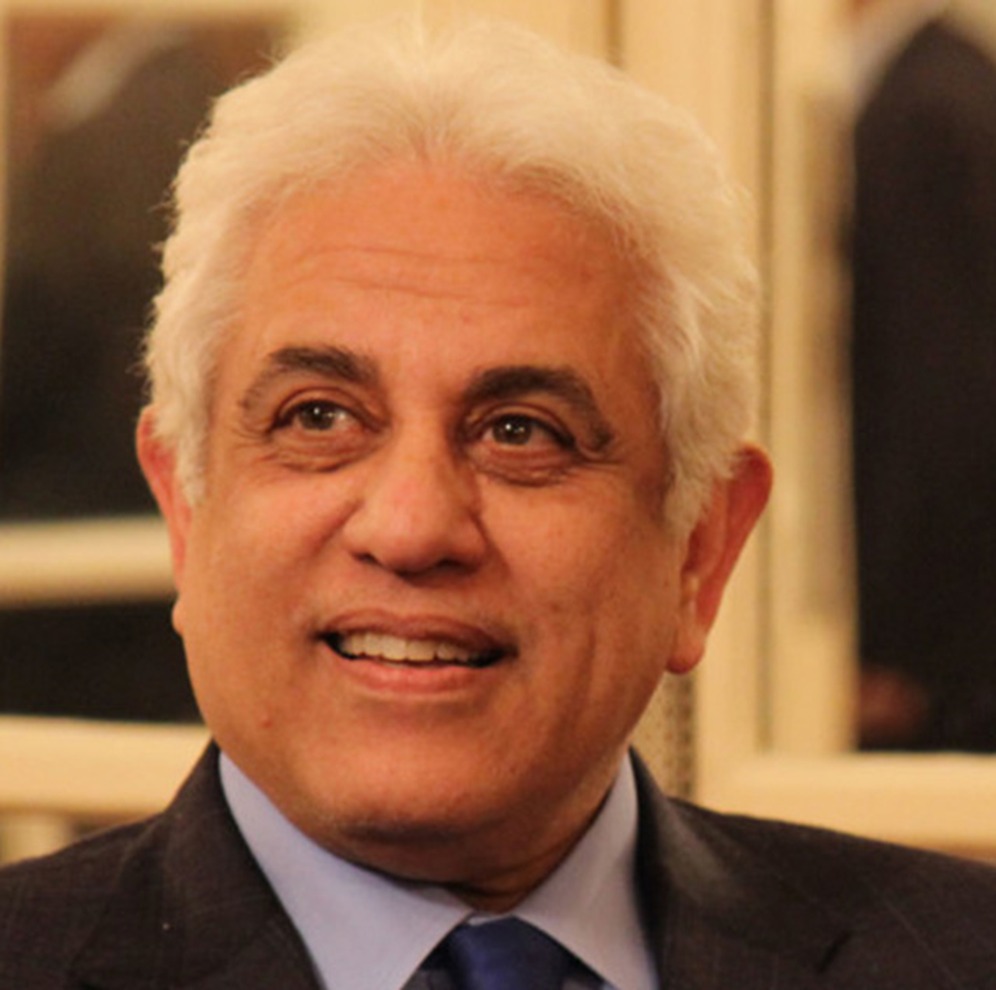
Article by Dr. Hossam Badrawi – Al-Ahram Newspaper, Wednesday, September 17, 2025
The masterpiece of Professor Naguib Mahfouz, Children of Our Alley, written in the late 1950s and banned at the time from circulation in Egypt for years—through which he won the Nobel Prize—remains one of his most important and daring works.
I reread the novel, and I was astonished by its context, as if I were reading it for the first time with new eyes. Mahfouz was not merely narrating the story of a traditional Egyptian alley, but painting a symbolic portrait of human existence, rephrasing the history of mankind with religion, authority, and justice.
I understood why the novel was banned for so many years—the mentalities that restrict free thought, confine imagination, and fear symbolism suppressed it.
The novel tells the story of an alley that embodies humanity’s journey through history, with symbolic characters representing the world. It is a philosophical and social reflection on religion, power, justice, and the struggle between good and evil.
The main events revolve around Gabalawi, the supreme master of the alley, living in his large house away from people. He represents the supreme authority or symbolizes God. He leaves a will to distribute endowments among the alley’s people, but his sons and descendants fight over power and wealth.
The main characters:
-
Adham (symbolizing Adam), the first human, expelled from Gabalawi’s house due to greed.
-
Gebel (symbolizing Prophet Moses), who leads a revolt against injustice and tries to restore justice.
-
Rifa’a (symbolizing Prophet Jesus), who preaches love and compassion but is killed by his enemies.
-
Qasim (symbolizing Prophet Muhammad), who unifies the alley under the banner of justice and equality.
But the alley’s conflicts never cease. Each generation faces the struggle between good and evil, rulers and ruled, spirituality and materialism, while gang leaders dominate and exploit the people. Every character carries the essence of a prophet or reformer guiding people from oppression to justice. Yet the struggle is perpetual, and the alley remains a place of pain and suffering.
However, Mahfouz introduces a unique character absent from sacred texts: Arafa.
Arafa represents science and modern reason, seeking to understand the alley’s secrets through knowledge. His presence symbolizes the birth of human intellect and inquiry. Unlike prophets who relied on revelation, Arafa depends on acquired knowledge, experimentation, and measurement.
Arafa uses his tools to confront injustice and gangsters. At a critical moment, he dares to uncover the secret of Gabalawi himself. But this quest ends with the patriarch’s death—as if Mahfouz meant to say that science, when it encroaches on the sacred, can dismantle its traditional authority, leaving humanity with the burden of responsibility.
What I rediscovered is that in Arafa’s character, Mahfouz anticipated our present. Knowledge has transformed from a mere tool of discovery into a mighty force reshaping the world. Artificial intelligence—the child of the digital age—is a living embodiment of this anticipation. Like Arafa, AI challenges long-held certainties and may produce unforeseen outcomes, shaking or even overturning entire systems of values and beliefs.
In my view, Mahfouz was not demeaning religion but highlighting that after the age of revelation, humanity enters a new stage where intellect and knowledge become the primary drivers. The prophets guided people with divine inspiration, but Arafa marks the dawn of a new era—where human legitimacy arises from reason and creativity.
This anticipation raises a question as relevant today as it was in Mahfouz’s imagination: How will we use knowledge? Will we make it a tool of freedom, justice, and compassion—or let it become a blind force that destroys us?
Looking broadly, with the rise of artificial intelligence, we see that Mahfouz gifted us decades ago with a vision of what humanity might face: a world where man confronts his own knowledge in search of a new meaning of existence.
Could Arafa in our time change the very notion of belonging in an age of new awareness? Can the novel’s ending be linked to Nietzsche’s philosophy of the “death of God”? I believe yes.
Nietzsche described the collapse of traditional belief in God as the center of meaning in modern life, driven by science and rationality. The “death of God” creates a moral void but also compels humanity to create new values through the rise of the Übermensch.
In Mahfouz’s narrative, Arafa plays a role similar to Nietzsche’s in his time—and comparable to artificial intelligence in ours. Arafa, as science, kills Gabalawi (symbolizing God)—just as Nietzsche foresaw the “death of God” in Western culture. Similarly, AI today could destabilize our systems if not embraced wisely.
Mahfouz may well have been ahead of his time.