At a seminar held by the Egyptian Junior Business Association
At the invitation of the Egyptian Junior Business Association (EJB), chaired by Mr. Mohamed Abou Basha, Chairman of the Board, an expanded discussion seminar was held on Monday, February 9, 2026, under the title:
“The Private Sector Between Free Markets and Social Responsibility: Social Liberalism vs. Classical Liberalism”
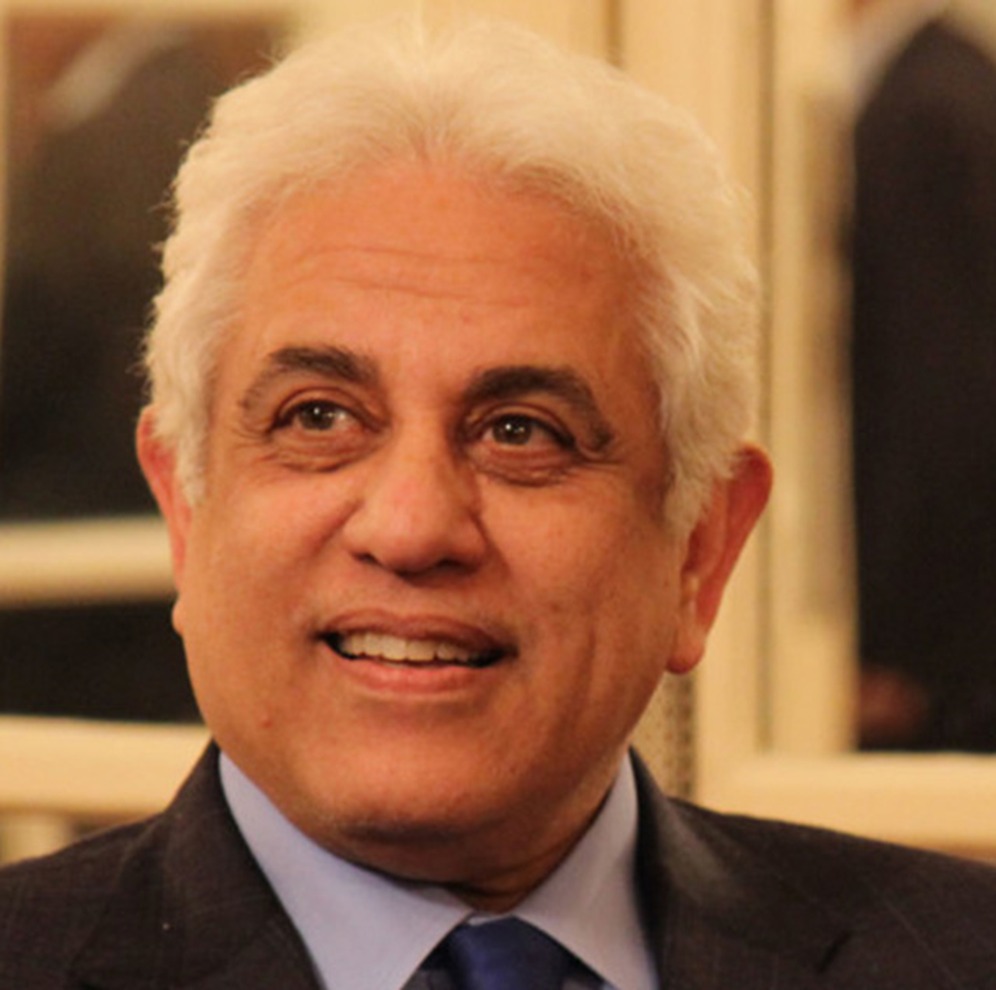
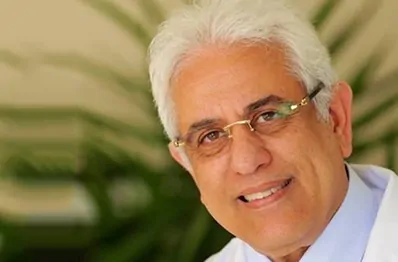
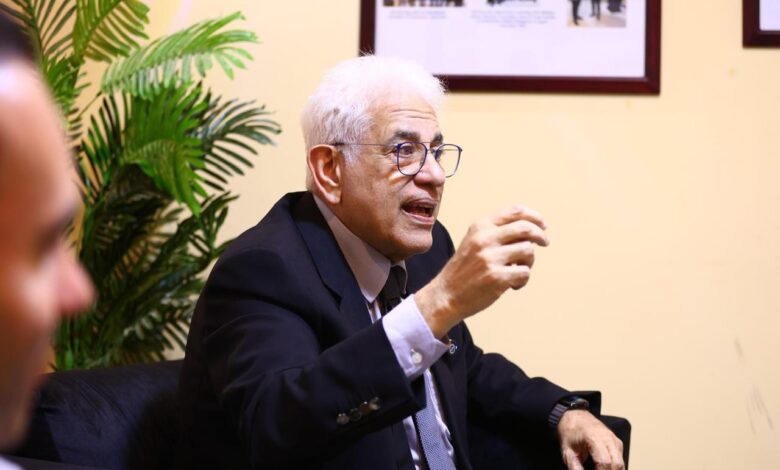
The seminar took place within the framework of an open dialogue with Dr. Hossam Badrawi on the future of the Egyptian economy, the role of the private sector, and the required balance between market freedom and social justice.
Dr. Badrawi opened his remarks by reviewing his long-standing experience with the Egyptian Junior Business Association, highlighting its early role in proposing reformist visions to activate the private sector and its contribution to shaping forward-looking ideas about Egypt’s development path, including early features of Egypt Vision 2030 before it was officially announced. He called on the Association’s young members to formulate a clear, meaningful, and presentable vision that would help attract new members and strengthen the Association’s societal role.
Dr. Badrawi also praised the Association’s institutional maturity and its system of periodic leadership rotation, considering this a healthy model that reflects a modern understanding of good governance and sustainable institutional work.
He then addressed the concept of social liberalism, explaining that it is based on a moderate understanding of free-market economics, which recognizes the private sector as a key engine of development while not neglecting its responsibility toward society. This responsibility is reflected in supporting health, education, housing, and public transportation, as these are fundamental rights of citizens, not services limited to those who can afford to pay. He explained that funding these rights comes through taxes paid by citizens in exchange for receiving these essential services.
Dr. Badrawi pointed out the imbalance in competition when the state competes with the private sector, given the advantages the state enjoys that are not available to private enterprises. This, he noted, has led to the contraction of the private sector’s role in the current period. He emphasized that the success of social liberalism requires firmly establishing the principle of state neutrality in the market, while the state plays the role of regulator and guarantor of fairness.
He also discussed the role of the private sector in social responsibility, noting the large volume of spending it allocates to community service, which reflects a significant contribution to societal advancement. He warned that weakening the private sector inevitably leads to weakening this vital role.
Dr. Badrawi stressed that economic advancement does not depend on the size of government spending as much as it depends on the methodology of rational spending and directing resources toward sectors capable of achieving real and sustainable development.
Regarding the labor market, Dr. Badrawi explained that Egypt needs approximately 1.3 million new job opportunities annually—a number that continues to rise with population growth. He noted that the optimal way to provide these opportunities is through attracting foreign direct investment (FDI). However, he raised a clear question about whether Egypt’s investment climate is attractive to foreign investors or repellent to them. He stressed the importance of having accurate, methodical statistics to monitor investment flows, enabling an objective assessment of Egypt’s true ability to attract investors and to identify obstacles hindering foreign direct investment.
Dr. Badrawi also pointed to the direct impact of education quality on the private sector, explaining that highly qualified individuals are increasingly competing for jobs abroad in an open global labor market. He emphasized that properly preparing Egyptian youth would enable them to compete in international markets—especially European ones—and would make them a real attraction for investment, as they represent Egypt’s true wealth, the fuel of its renaissance, and the engine of its progress.
The seminar witnessed wide interaction from the Association’s young members, who raised numerous questions addressing issues that positively and negatively affect the private sector. Dr. Badrawi answered all questions, expressing his happiness with the participants’ open-mindedness and depth of knowledge.
The event concluded with honoring Dr. Badrawi and taking commemorative photos in an atmosphere of appreciation and mutual respect.
About the Egyptian Junior Business Association
The Egyptian Junior Business Association is one of the most prominent non-governmental organizations supporting the business and entrepreneurship sector in Egypt. Established in 1999 as a non-profit organization, it aims to empower young entrepreneurs and business owners and to enhance the role of the private sector as a main driver of sustainable economic development.
The Association works to create an interactive platform that brings together young businessmen and businesswomen, contributes to improving the business environment through dialogue with decision-makers, builds partnerships with governmental and international institutions, and supports policies that encourage investment, equal opportunity, and innovation-driven growth.
The Association also places special emphasis on developing its members’ capacities through organizing seminars, workshops, trade missions, and intellectual and economic events, thereby enhancing the competitiveness of Egyptian companies locally and internationally, and reinforcing the private sector’s role in social responsibility and community service.
It adopts an institutional approach based on transparency and the rotation of responsibility, reflecting its belief in the importance of good governance and collective work in building a strong economy and a balanced society.