On the occasion of my seventy-fourth birthday
September 1st, 1951
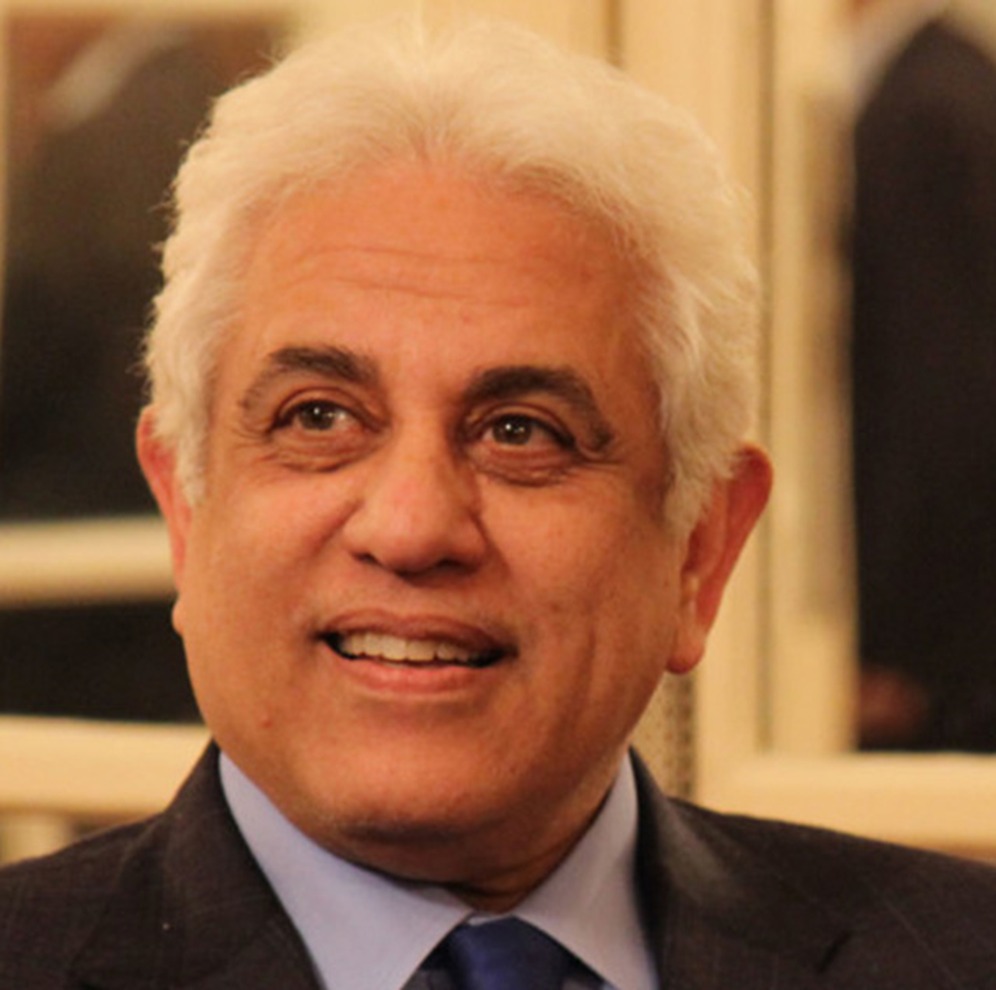
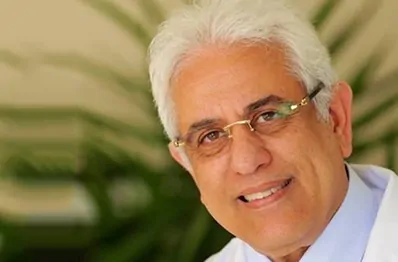
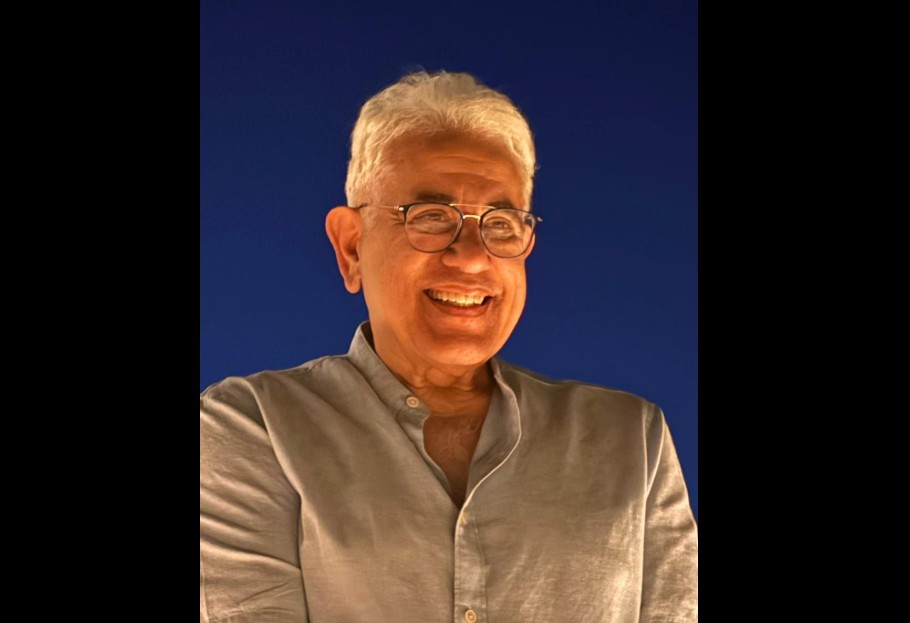
By: Hossam Badrawi
With every year that passes, I do not count the years as much as I count what they left within me, and what I left in them as meaning. Seventy-four is not just a new number in my age, but a mirror in which I contemplate myself: what has changed, what has remained steadfast, and what has matured until it became a philosophy of life. I write these words not to lament the past nor to beautify the present, but to record what experience has taught me, and what I now see with clearer vision and a more content heart.
When I ask myself: “What has changed in you and with you after 74 years of life?”
I realize that although I sometimes carry the burdens of the world on my shoulders, lifting that weight off my small and extended family and loved ones is more important than striving for reward. And I am not saddened if what I do goes unappreciated.
I have long stopped bargaining over trivialities and nonsense. In the end, such things add no real value to life.
I have learned over the years to refrain from constantly criticizing others, even when I see they are wrong. Despite my concern for reforming society, helping everyone to be better, and inviting them to see the beauty around them, peace with others often creates the better environment for them to realize this on their own.
By virtue of my age, my experience, and my professional work without compensation, I have learned to communicate freely with both young and senior doctors whenever I notice an error in a prescription or an inappropriate treatment recommendation. I discuss and review their writings with them without hesitation, something I used to avoid.
I have come to practice the art of highlighting the goodness in others generously and freely, without hypocrisy. Indeed, I have come to enjoy showing the best in people, hoping that they rise to the level of my expectations of them.
I have grown stronger, despite the pain I sometimes feel, when I face someone who provokes me with hostility in an attempt to drag me into futile arguments or accuse me of things I never said or did. In any case, in the end, nothing they say will remain—let them say what they want; the truth will remain the truth.
At the same time, I am no longer filled with pride by words of flattery, nor by expressions of love that cross the boundaries of privacy, nor by applause and greetings.
I have learned to live each day with positivity, to develop in my work and thoughts, and to listen more than I speak—whereas before I used to speak more than I listened.
I have always loved dialogue with children and youth, and teaching them. Now, I learn from them more than I teach.
I now do everything that makes me feel happiness and brings joy to those around me, and I enjoy my life in the way I choose.
I have come to delight in my private relationship with God, without fear of declaring it, or being forced into the formalities of the herd around me. I no longer fear the intellectual and psychological terrorism sometimes represented in herd-like behavior. I have become clearer in expressing myself.
I was always able to forget harm and not hate those who wronged me, but now I am also able to forgive and pardon them.
At seventy-four years old, I still dream, I still want to achieve successes, I still love, and I still have hope in humanity and for humanity. I have become more capable of documenting my dreams and aspirations in articles, books, and paintings.
At my age, I am still myself. My philosophy has filled my heart, and I repeat it without hesitation, documenting it in hopes that others may benefit from the experience.
I still want to converse, to write, to draw, and to express.
It has always been my principle to rise above desire, and I have become even more capable of renunciation, which has made me stronger.
At seventy-four, I look around me and thank God for His blessings upon me—gratitude, contentment, and the continuation of my passion for knowledge and learning.
At seventy-four, I see myself more serene and free, closer to the truth I have sought all my life. Titles, positions, and trivialities no longer occupy me. The true goal has become to be myself as I wished to be:
A human being who gives what he can, forgives when he can, and lives with love and hope as long as the heart still beats.
I thank God for the blessing of contentment, for my continued passion for knowledge and learning, and for the fact that I still hold on to dreams. Inside me, there is still a voice that tells me every morning: The road is still ahead, and life still has meaning worth living, despite all the pain, suffering, and injustice man inflicts upon his fellow man.