The word “Al-Furqan” appears in the Holy Qur’an six times, in the following verses:
“Before as guidance to mankind, and He sent down the Criterion (Al-Furqan). Surely those who deny Allah’s revelations will suffer a severe punishment, for Allah is Almighty, capable of punishment.”
[Surah Aal-Imran: 4]
“And [remember] when We gave Moses the Scripture and the Criterion (Al-Furqan), so that you might be guided.”
[Surah Al-Baqarah: 53]
“O you who have believed, if you fear Allah, He will grant you a Criterion (Furqan) and will remove from you your misdeeds and forgive you. And Allah is the possessor of great bounty.”
[Surah Al-Anfal: 29]
“The month of Ramadan [is that] in which the Qur’an was revealed, a guidance for the people and clear proofs of guidance and the Criterion (Al-Furqan). So whoever sights [the new moon of] the month, let him fast it…”
[Surah Al-Baqarah: 185]
“And know that whatever of war-booty that you may gain, verily one-fifth of it is for Allah and the Messenger, and for the near relatives, orphans, the needy, and the [stranded] traveler—if you believe in Allah and in what We sent down to Our servant on the Day of Criterion (Yawm al-Furqan), the day when the two forces met. And Allah is All-Powerful over everything.”
[Surah Al-Anfal: 41]
“Blessed is He who sent down the Criterion (Al-Furqan) upon His servant that he may be to the worlds a warner.”
[Surah Al-Furqan: 1]
“Al-Furqan” in the Qur’an is used with multiple meanings, including:
- A name for the Qur’an itself (as in Surah Al-Furqan).
- The ability to distinguish between right and wrong (as in Surah Al-Anfal).
- A characteristic of other divine scriptures (as in the description of the Torah).
Al-Furqan is thus a trait of the Qur’an itself — a spiritual and intellectual faculty for separating truth from falsehood.
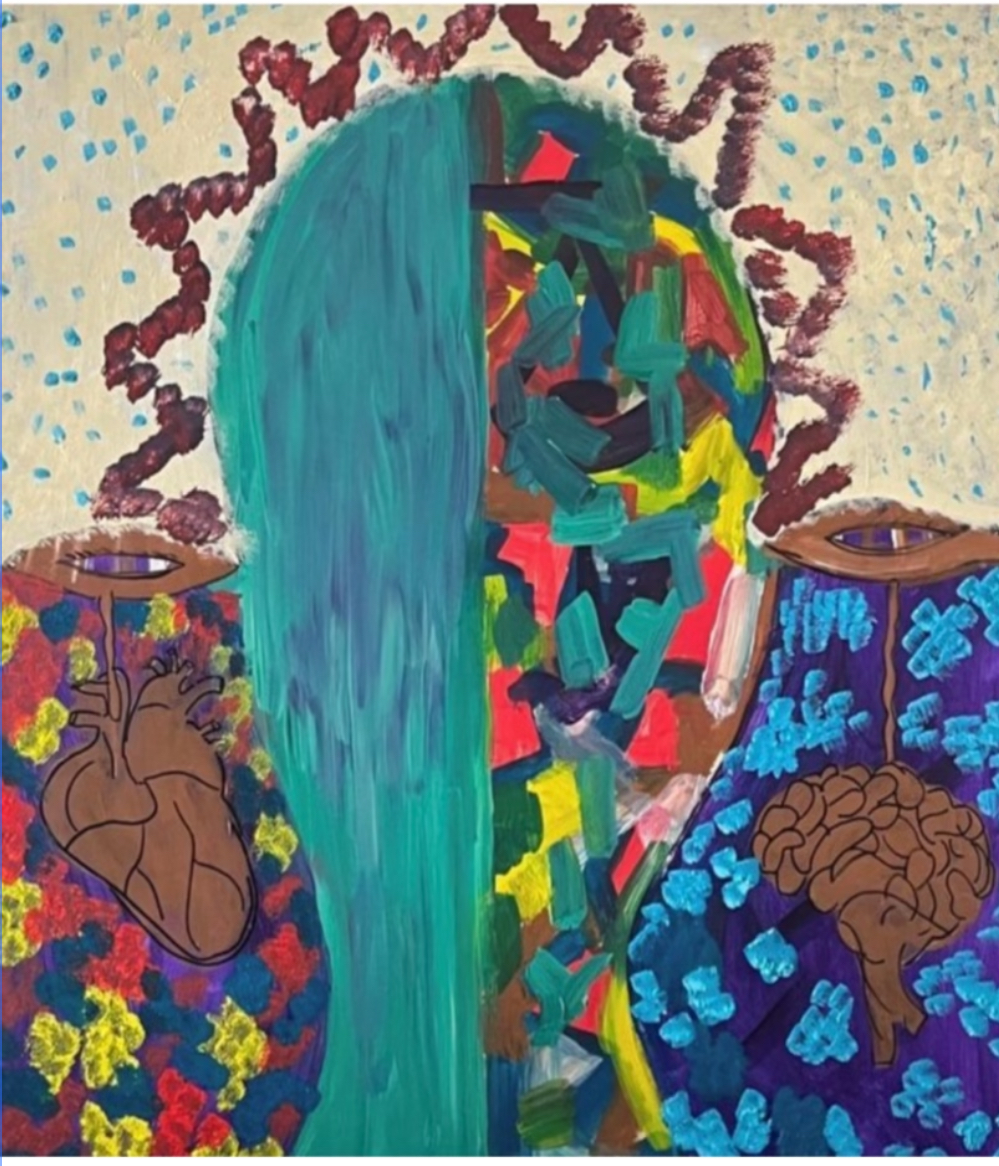
In my view, Al-Furqan, as mentioned in the Qur’anic text, is not just a book to be recited, or a guide to be memorized. It is an existential state, where the light of the intellect meets the purity of the heart. When a person reads the Book and awakens from their slumber, they see things not as they are presented, nor as the masses perceive them, but as they truly are in essence.
“If you fear Allah, He will grant you a Furqan…”
[Al-Anfal: 29]
As if to say: pure awareness is not given to those who merely read or memorize, but rather to those who experience the Qur’an as Furqan in that rare moment when they see beyond the words, hear beyond the sounds, and feel the meaning, not just the form.
It is not enough to know what is right — that is knowledge.
But to choose what is right in moments of temptation, fear, or self-interest — that is ethics.
And to bear the responsibility of that choice — that is freedom.
Al-Furqan is the union of the three: awareness, ethics, and freedom.
Al-Furqan in the Original Creation
When God taught Adam “the names of all things,” He wasn’t merely teaching labels — He was teaching discernment.
- One who memorizes the names knows only the surface.
- One who understands the attributes touches the essence.
- One who differentiates between them — lives the Furqan.
Al-Furqan is that first consciousness, when man began to distinguish between fire and light, between the word and the sword, between hope and fear.
Al-Furqan in the Age of Noise
Today, more than ever before, we need Al-Furqan.
- When lies are mixed with truth, and ugliness is dressed in fancy words…
- When media becomes a tool of deception, and politics a theater of manipulation…
- When the mind is herded like sheep, and the conscience numbed by slogans…
Here, Al-Furqan becomes the ability to see truth as it is, not as it is made to appear.
Al-Furqan is the Station of Freedom
It is when you don’t wait for a fatwa to see, nor permission to think.
When you are free in your awareness, brave in your choices, and honest with yourself.
Al-Furqan is not just a book — it is a state of being.
A station of clarity, transparency, and conscious presence.
It is the clear mirror through which you see yourself,
And the compass that guides you in a world that changes its shape every day —
But keeps you anchored to what never changes: the truth.