
In an Atmosphere Brimming with Youthful Energy and Creativity, the Cairo International University Theatre Festival Launches Its Eighth Edition, “The Sahbet El Saada Edition,” with Exceptional Initiatives
Cairo — Amid an atmosphere filled with youthful enthusiasm and a passion for theatre, a press conference was held on Saturday, October 17, 2026, to announce the details of the eighth edition of the Cairo International University Theatre Festival. This year’s edition is named in honor of the celebrated Egyptian actress and media personality Esaad Younes and bears the title “The Sahbet El Saada Edition,” in recognition of her distinguished artistic career.
The announcement marks the culmination of seven years of continued success, during which the festival has established itself as a serious platform supporting university theatre in Egypt. Overcoming numerous challenges, it has become a genuine bridge connecting university talent from Egypt, the Arab world, and the international community. The press conference was held under the generous patronage of Prime Minister Dr. Mostafa Madbouly, with the support of Dr. Abdel Aziz Konsowa.
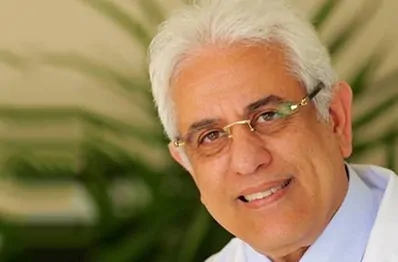
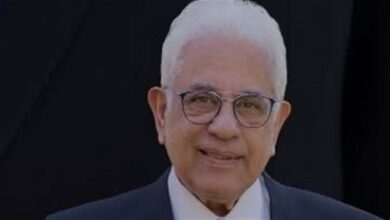
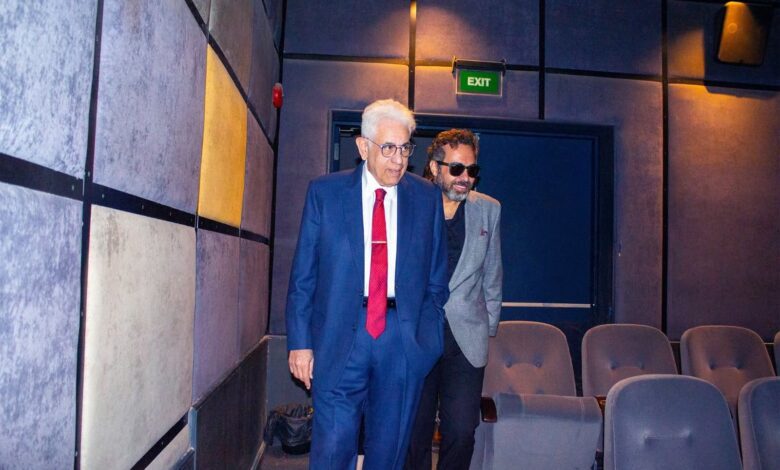
With measured words and a profound vision, Professor Dr. Hossam Badrawi, Chairman of the Festival’s Supreme Committee, delivered a speech that captured the audience’s attention. He placed theatre and the arts at the heart of Egypt’s national project to shape and develop the Egyptian character, emphasizing that culture, the arts, sports, and music are not luxuries, but rather “the fourth and fundamental pillar of Egypt Vision 2030.”
Dr. Badrawi also drew attention to Egypt’s enormous demographic potential, noting that the country has 18 million children under the age of sixteen, in addition to millions of young people at the university level. Investing in the awareness, values, and emotional development of these generations through theatre, he stressed, is a “national necessity.”
Using figures to demonstrate the festival’s continued growth, Dr. Badrawi announced that this year’s edition would feature participation from 30 countries, welcome 250 Arab and international guests, and engage more than 2,000 students in its activities.
He proudly described the event as “a pinnacle of civil society success,” explaining that it relies on self-financing and sponsorships without placing an additional burden on the state budget. He also observed that the growing number of theatre initiatives recently adopted by the state reflects the success of the festival’s ideas and the expanding influence of its work.
In a surprise announcement that was warmly received by attendees, Dr. Hossam Badrawi unveiled the launch of the “Jusoor” (Bridges) initiative to support school theatre in public schools. The initiative will begin in Ismailia Governorate, extending the reach of artistic engagement to younger generations from an early age.
For his part, director Amr Qabil, founder and president of the festival, reviewed its eight-year journey, paying tribute to the young volunteers on the organizing committee, whom he described as the driving force behind the festival.
Qabil announced the most significant development of this edition: the introduction of a new School Theatre Competition, designed to discover and nurture talent at an early age, with eight schools taking part. The festival will also feature individual talent competitions under the titles “University Star” and “School Star.”
Distinguished actress Azza Labib, the festival’s director, highlighted the scale of international participation. She revealed that more than 130 theatrical productions had been submitted, of which 13 were selected to compete. The productions will be evaluated by judging panels comprising prominent artistic figures from Egypt, Saudi Arabia, Lebanon, and Mexico.
The conference also featured an open discussion with journalists and participants. In an inspiring contribution, 16-year-old media presenter and young actress Farida Samir proposed establishing a collaborative initiative between the festival and the State Award for the Young Creative, specifically in the field of playwriting. Her suggestion reflected the festival’s commitment to listening to and engaging with the aspirations of a promising younger generation.
It was also confirmed that activities and workshops would take place in the mornings at El Samer Theatre, while theatrical venues across Cairo would come alive in the evenings to host university performances.
The festival will officially open on October 24 and run through October 30, featuring international theatrical productions and workshops.
Once again, the event reaffirms Cairo’s enduring position as a capital of creativity and celebrates university theatre as a vibrant, ever-renewing force that continues to breathe new life into Egyptian and Arab performing arts.