
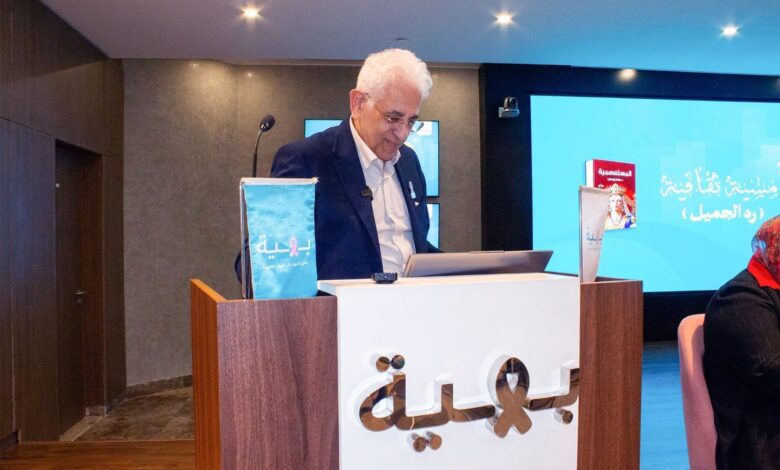
A Night Where the Fragrance of History Met the Nobility of Humanity: Dr. Hossam Badrawi Participates in a Cultural Symposium at Baheya Hospital and Reflects on the Meaning of “Giving Back”
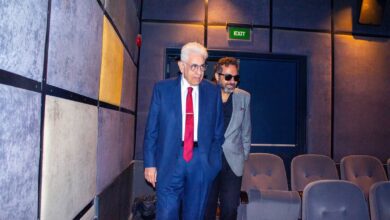
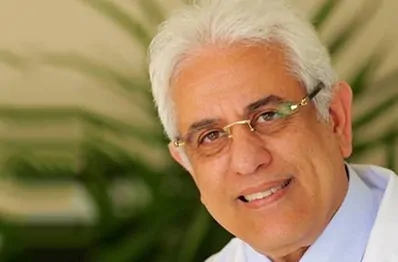
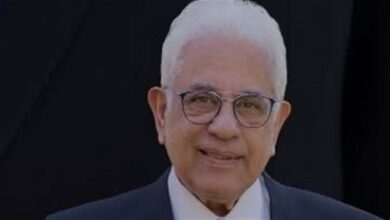
On September 26, 2026, at the theater of Baheya Hospital, and amid an atmosphere filled with warmth and elegance—as though those present were living through a chapter of a novel written in letters of gold—the hospital hosted a unique cultural and humanitarian symposium attended by Professor Dr. Hossam Badrawi.
The symposium was far more than a passing cultural gathering. It was a journey into the depths of history, drawing from the present some of the finest meanings of generosity, compassion, and giving.
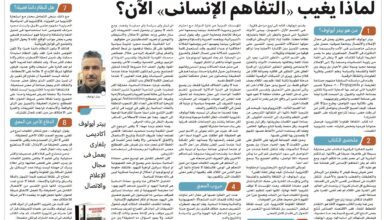
The evening began with a journey through literature and history, centered on a discussion of Al-Musta’simiyya, the novel by the distinguished writer Dr. Hisham Abu El-Naga. The novel revisits history in order to restore justice to Queen Shajar al-Durr, that extraordinary woman whose intelligence and insight, had they not prevailed, might have left Egypt vulnerable to the Crusaders.
Through this work, the author removes the layers of injustice that have long surrounded this historical figure, presenting her as a powerful example of the strength and resilience of Egyptian women in the past. That image resonates beautifully with the strength and determination of the women of Egypt who are fighting their battles today within the walls of Baheya.
A distinguished group of intellectuals, writers, and artists participated in the discussion of the book, including:
- Renowned journalist and writer Mohamed El-Alfy
- Journalist and novelist El-Sayed Shehata
- Literary critic Dr. Farghaly Haroun
- Distinguished poet and writer Elham Afify
- Renowned visual artist and writer Hussein Noh
In a moment in which hearts came together, Dr. Hossam Badrawi delivered his address under the title “Giving Back”, taking the audience on an emotional journey reflecting on the meaning of generosity.
In his characteristically smooth style and profound philosophical approach, Dr. Badrawi asked what it truly means to receive a kindness and how we can give something back in return. He emphasized that beauty is not merely a matter of outward form; rather, it is the impact an action leaves behind when a blessing we have received is transformed into goodness that we extend to others.
Dr. Badrawi also delivered a warm and deeply moving message to the “Women of Baheya”, emphasizing that our role is not limited to constantly asking them to be brave. They also have the right, at times, to feel tired or afraid.
He stressed that one of the most genuine forms of human “giving back” is to stand beside them in moments of weakness just as we celebrate their strength. A compassionate institution, he explained, is one that transforms good intentions into a sustainable system of care—one that guarantees continuity of treatment and preserves a woman’s dignity and humanity at every step of her journey.
And just as the evening began with the fragrance of history, it had to conclude with another inspiring chapter of history: the story of the remarkable Baheya Foundation.
It is a story that began with the extraordinary woman Baheya Wahby, who suffered from illness and was forced to travel abroad in search of treatment because Egypt at the time did not have a radiation therapy machine. Out of her own suffering came a noble wish: that such a machine be made available in Egypt so that other women would not have to endure the same hardship.
Her children and grandchildren did not merely fulfill her wish. They donated her home, transforming it into a remarkable medical institution that became a safe haven and a pioneering destination for women seeking free breast cancer treatment: Baheya Hospital in Giza’s Haram district.
Today, after years of dedication and struggle, Baheya has grown into an institution with multiple branches serving women in different parts of the country. It remains a living and enduring example of the “giving back” that Dr. Badrawi spoke about: goodness that began with one noble woman and went on to touch the lives of millions of Egyptian women.
Baheya remains, in every sense, a steadfast source of support for every Egyptian woman.