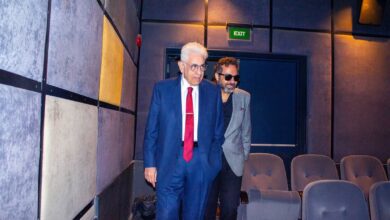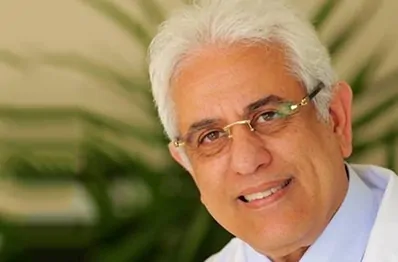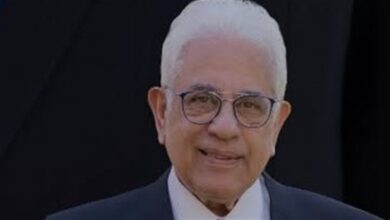

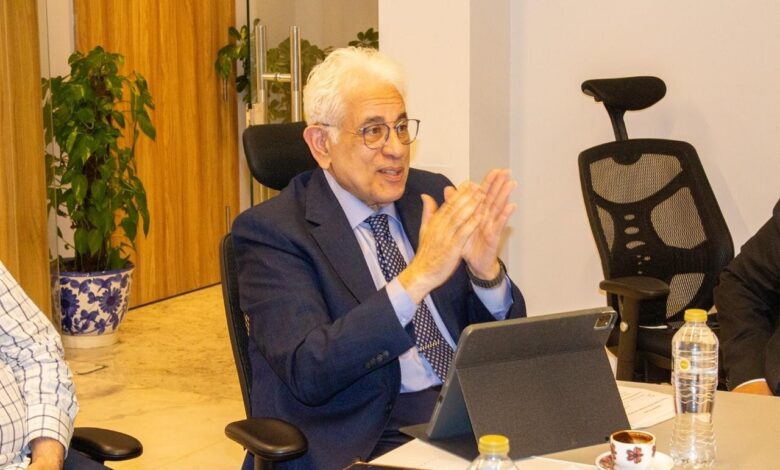
In the presence of a distinguished group of education specialists led by Dr. Hossam Badrawi, a meeting was held on Sunday, May 17, 2026, at Asten College to discuss ways to advance quality assurance, accreditation, and international and local cooperation in education.
The meeting included:
- Dr. Hossam Badrawi, Chairman of the Nile Badrawi Foundation for Education and Development and Head of the Advisory Committee of Education First Foundation
- Dr. Salma Bakry, President of Education First Foundation
- Dr. Nadia Badrawi, Honorary President of the Arab Network for Quality Assurance in Higher Education (ANQAHE)
- Prof. Alaa Ashmawy, Chairman of the National Authority for Quality Assurance and Accreditation of Education
- Prof. Asmaa Mostafa, Vice Chairman of the National Authority for Quality Assurance and Accreditation of Education
- Dr. Mona Ayoub, Director of the Skills and Training Center at the German-Arab Chamber of Industry and Commerce (AHK) and Advisor to the Minister of Education for the Egyptian-German Schools Initiative
- Dr. Hossam Ezz El-Din, CEO of the American Academy and strategic partner of Prometric and ACT
- Ms. Naglaa Salem, Director of the French Institute in Heliopolis and New Cairo
- Dr. Karim Saeed, French Attaché for University Affairs at the French Embassy
- Mr. Nabil Michel, representative of M.S.A for American Diploma accreditation
- Ms. Azza El-Sherbiny, educational expert
- Mr. Anwar El-Bayni, Regional Administrative Director at Choueifat International Schools
- Dr. Maysaa Barakat, Professor of Educational Leadership at Florida Atlantic University
- Prof. Mahmoud Hamza, CEO of Education First Foundation
A delegation from the American nonprofit organization Sankofa Scholarship Collective also attended, including:
- Dr. Carmen McCallum, Associate Dean of the College of Education at Eastern Michigan University and board member of Sankofa Scholarship Collective
- Rekira Reynolds, Development Director at Sankofa Scholarship Collective
- Dr. Rima, Professor of Educational Leadership and Policy at Wayne State University and founding board member of Sankofa Scholarship Collective
- Imani Foster, Youth Coordinator at Sankofa Scholarship Collective
- Jordan Peebuck, Youth Coordinator at Sankofa Scholarship Collective
The organization focuses on supporting students and youth of African descent, developing education based on equity and cultural empowerment, and building more inclusive and humane educational environments.
At the beginning of the meeting, Dr. Salma Bakry presented the vision and activities of Education First Foundation in supporting and developing education in Egypt through academic and strategic partnerships with local and international institutions. She also reviewed the foundation’s programs for teacher and leadership development, support for gifted students, organization of educational forums and competitions, support for educational quality and technical education, and strengthening cooperation between civil society and government institutions to build a more efficient and sustainable educational system.
On the other hand, Sankofa Scholarship Collective presented its philosophy of empowering youth and building new community leadership through education and cultural and economic awareness. The organization highlighted its support programs for youth, especially the “Financial Freedom Lab,” aimed at developing financial literacy, leadership, community engagement, and self-confidence among participants.
The presentation also explained that the organization’s leadership model is based on five main pillars: cultural identity, critical awareness, financial literacy, teamwork, and psychological and social support, all with the aim of preparing young people capable of creating positive impact within their communities.
The presentation further emphasized the importance of giving youth a genuine role in decision-making within educational institutions and encouraging schools to build more humane and inclusive learning environments based on listening to students and nurturing their intellectual and social capacities.
The organization also shared testimonials and real-life experiences from participating youth, who confirmed that the programs helped them discover themselves, develop their skills, and feel empowered to shape their futures with greater awareness and confidence.
Dr. Badrawi then delivered a speech reviewing the efforts he made during his time in parliament and his long struggle to establish the National Authority for Quality Assurance and Accreditation in Egypt. This stemmed from his conviction that Egypt’s educational crisis was not merely a matter of curricula or funding, but rather the absence of genuine standards for quality, accountability, and objective evaluation. Educational institutions, he explained, had operated for many years without independent mechanisms capable of measuring performance efficiency or educational outcomes. He therefore believed in the necessity of an institutional body capable of guaranteeing quality and accrediting educational institutions independently from the service providers themselves.
Dr. Badrawi further explained that quality in education is not an administrative luxury, but a comprehensive culture aimed at building individuals capable of thinking, creativity, and competitiveness. Therefore, he viewed the existence of an independent quality assurance authority as a safeguard protecting the educational process from randomness and from policy shifts caused by changing ministers or administrations.
He also linked quality with independence, arguing that the financial independence of the Quality Assurance and Accreditation Authority is essential for expanding its activities and accelerating accreditation for educational institutions at all levels. He explained that this requires allocating part of the state budget to the authority instead of continuing to treat it as a self-financing economic body. He warned that many educational institutions are unable to bear accreditation costs, which could discourage them from seeking accreditation and significantly slow down the authority’s mission of accrediting all educational institutions.
Dr. Badrawi also emphasized that granting universities and schools greater autonomy, while maintaining clear systems of evaluation and accountability, is the real path toward improving performance and efficiency.
He noted that educational quality should not be measured merely by pass rates or memorization, but by the educational system’s ability to graduate individuals who possess:
- Critical thinking skills
- The ability for lifelong learning
- Respect for diversity
- The ability to work collaboratively
- A strong connection to labor market needs and the demands of the modern era
From this perspective, Dr. Badrawi viewed the National Authority for Quality Assurance and Accreditation not merely as a regulatory institution, but as part of a broader national project aimed at rebuilding the Egyptian individual and linking education to development, the economy, and social awareness in a way that guarantees sustainable educational reform beyond temporary or seasonal solutions.
At the conclusion of the meeting, extensive discussions took place among academics, experts, and stakeholders regarding the major challenges facing institutional accreditation and educational reform in Egypt, as well as mechanisms for strengthening educational quality and linking it to institutional evaluation and accreditation standards.
The meeting concluded with several important recommendations, most notably the necessity of linking the renewal of licenses for national schools to obtaining accreditation from the National Authority for Quality Assurance and Accreditation of Education. This was viewed as a real incentive to accelerate the accreditation of more than 8,000 schools within a relatively short timeframe, thereby improving educational quality in a sustainable and institutional manner.
Participants also stressed the importance of coordinating a meeting with the Minister of Education and Technical Education to present the proposals discussed during the seminar and explore ways of bringing different stakeholders closer together in support of a practical and implementable vision for developing Egyptian education and improving the quality of its outcomes.