
We have the right to happiness.. Gentlemen
Hossam Badrawi
I thought, as we approached the Christmas and New Year holidays, about the collective joy of the holidays, and the infection of happiness from some people to others.. and I said to myself: Damn the pessimists who spread misery in the souls.
A young woman from the dreamers said: We hear you say that your genes are optimistic, and you seem to be smiling in the darkest of times, as if happiness and optimism are inherited things, so there is no sin for the unfortunate and the pessimists, for they were born like this!!!.
I said: O my children, happiness is a decision, and optimism is a culture.
Happiness is a positive decision, and it has components, if we do not seek it, we may not find it. It is true that some people, including me, see in people the best in them, and in the events around them the best in them. But if a person does not seek joy and seek happiness, days may pass and he does not see it, because he does not search for it.
The collective mind of the family and society may create positive energy, and vice versa. This collective mind is driven by the community’s culture, community leaders, media and arts.
Life is a blessing from the Creator, and joy in it is thanks to God, and we have to yearn for it and savor it, as it is a human right.
As for optimism in life, it is a wonderful inner feeling. It is a state of satisfaction that the individual feels with his belief that there is always a way out of problems if they occur.
To be optimistic means to see light in the midst of darkness, to feel that despite all the challenges, hardships and pains, there is still a lot we love in life, which is beautiful and worth living, striving, and striving to achieve and reach.
Another young man said: Is there a difference between pleasure and happiness?
I said: The difference is big. Pleasure is linked to a high percentage of the hormone dopamine, and it is short-term.. As for happiness, it is long-term, and it is linked to the hormone serotonin.
They are two different cases.
Pleasure is sensual, but happiness is emotional, psychological and mental.
Pleasure, including sex and the moment of winning or getting money, can be part of a greater, broader and more comprehensive happiness, but it is not happiness itself.
We can buy pleasure, but we cannot buy happiness. Pleasure can turn into an addiction, but happiness is a state of health that makes a person better and sees favor in others.
There are people who may have a genetically high level of serotonin, and their genes give them this predisposition to happiness, like me.. but each one can work on himself to generate this hormone with positive thinking.
Pleasure is mostly just receiving, but happiness is giving and receiving, and what you do for others may be the source of your true happiness.
Another young man said: What about optimism?
I said: Optimism is a voluntary psychological process that generates thoughts and feelings of contentment, endurance, hope and confidence, and drives away thoughts and feelings of despair, defeatism and powerlessness.
An optimist sees opportunities in crises, and his optimism activates his psychological and physical immune systems, while pessimism exhausts human energy, reduces his activity and weakens his motives.
Optimism is not only a gift or a trait in the human personality, but a skill that the individual learns until he masters it and thinks positively.
I remind you that optimism and pessimism are contagious..in other words, they can be gained from contact with others..associating with pessimists makes you, like them, have a melancholic view of life, hesitant, and daring..but your company with optimists makes life in your view simpler and more exciting, and you can face obstacles in a positive way.
Look around you well, and choose good companionship and friends first, then feed your minds and souls with beautiful ideas, and fill your souls with optimism, and you will find positive results raining down on you successively.
There is a collective mind of society, which is created by the sum of positive or negative energy in it, and stimulated by education, media and the arts, which puts on the leaders of society a great responsibility, because they are the makers of this climate and the facilitators of its existence.
The glaring young woman said: Can governments make people happy?!
I said: This is the primary function of governments, my daughter.. The leaders of society should think positively about the welfare and happiness of individuals. Politics cannot be mere promises or projects on paper only. In the end, if prosperity is not achieved, and if the people are not happy, then the politicians have failed and failed. Politics.
The first young man commented with a smile: Don’t you see that sometimes with simple decisions the government can make society happy?!
Then he added: Without going beyond my limits, we know, for example, that you were a member of the National Council for Human Rights for 8 years, and you were finally summoned as a member of the Foreign Ministry’s advisory committee that drew up Egypt’s human rights strategy this year, and we learned that you were invited to participate in a ministerial advisory committee to follow up Implement what the state announced about its intention to respect these rights. And our question to you, Doctor: Have you not despaired of repeating these useless posts? The situation is the case, the laws are not amended, and the implementation is not implemented. We say and announce what we do not do.
I said: This is what I meant at the beginning of my conversation with you about the importance of optimism, persistence and perseverance. Our country will not change by repeating the complaint, but by repeating the attempt using new means with the same passion.
The young man said: I was imagining and hoping that you would pressure this committee to release the detainees in the reserve prisons. I would have imagined that the holidays would coincide with news of the release of prisoners of conscience, the abolition of the blasphemy law, the setting of a maximum time limit for pretrial detention, the removal of the religion field from the identity card… and other decisions that must make us happy as youth and many families, and give us hope that what you announce from strategies It is not a means of camouflaging the world, and that we are advancing on the issue of human rights in deed and not in form, and that the government of our country believes in the right to complete justice and the right to happiness… and it can, with the stroke of a pen, fix this situation.
Another young man said: There is an atmosphere of pessimism around us, Doctor, what do we do in it?! .. Threat from terrorism in the north, and the conscience of my predecessor wants to take us back to the past inside, and the whole world is jumping into the future and we are in the place of a secret in education, and we claim that we are in the forefront and everyone knows a lie. That, and fear of a water crisis in the south, a deepening dispute with Ethiopia, and a demographic challenge And the economy is huge, and employment opportunities are fading due to the science of the future.. How do you expect us to be optimistic in this climate?!
I told him: Do you imagine that life will go without challenges, as if you want to play a match, guaranteeing the gain in the absence of the opponent?! .. The most beautiful thing in life is facing challenges and achieving victory for yourself and others.
Can you avoid anxiety and fear sometimes?
No, this is the norm of life, but you can work and think creatively to fit in with the data of the future and the needs of tomorrow’s jobs.. and I can confidently visit schools in the poorest villages to say that the children of Egypt possess talents and abilities that the negative collective mind cannot imagine. The Egyptian youth is better than the negative image portrayed to it.. I see around me great human forces that need guidance and care, because they are the fuel of a mighty positive energy.
Another young man said: What do we have to get with happiness and optimism? And what should we beware of?
I said: The tranquility of contentment and the enjoyment of the blessings we have. We must beware of fourth and fifth generation wars that aim to kill hope in souls, spread rumors about all that is bad, and overlook all that is beautiful.
My children, our country is beautiful, our civilization is great, and with hope and work with confidence and optimism, we can obtain the happiness we deserve.
Happiness does not fall on us from the sky, but we are the ones who sow it on the earth.
It is not pride not to fall down.. but pride to rise every time we fall and learn from experience.
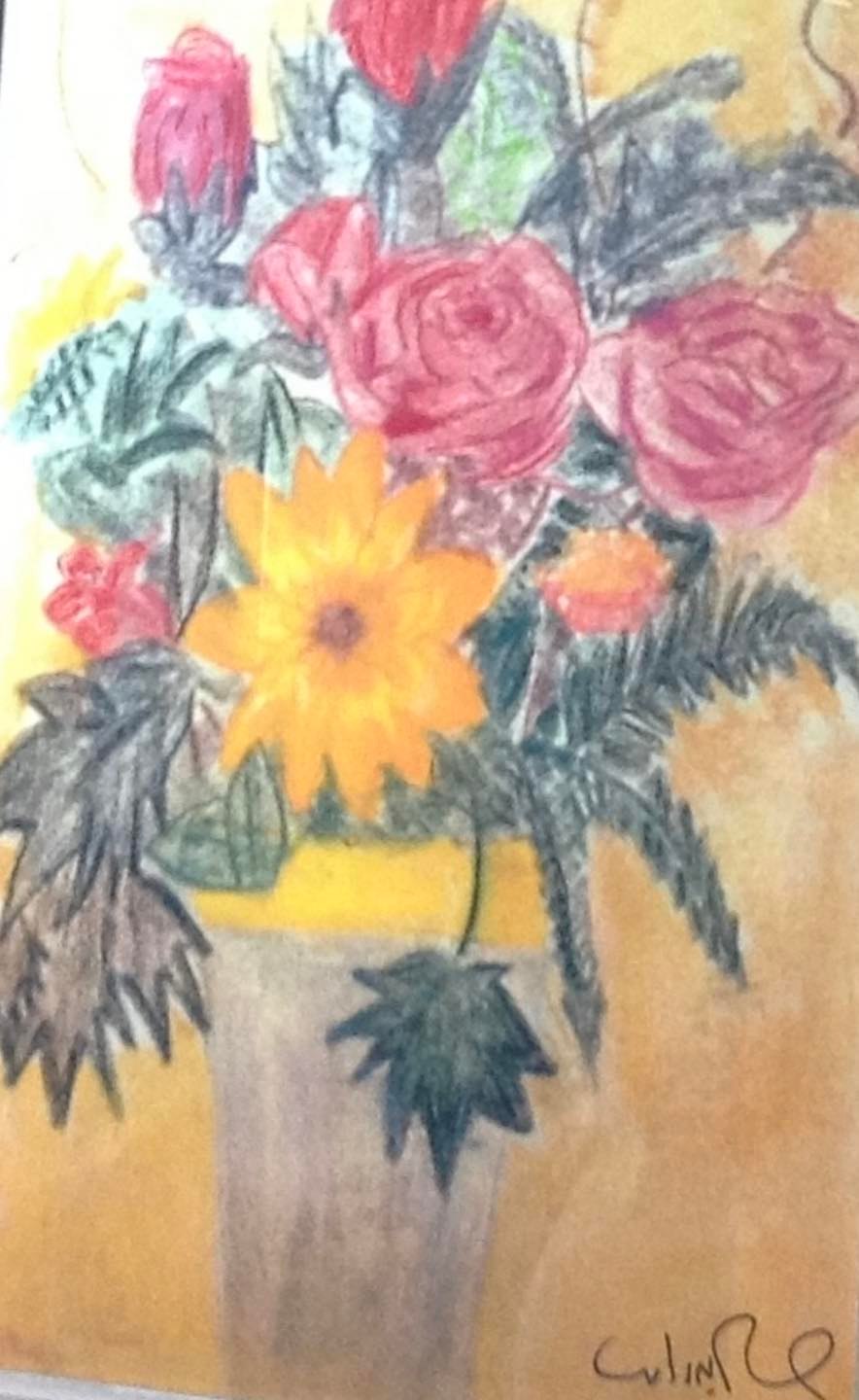
Do not be one of those who complain that roses have thorns, but rather those who are optimistic that roses are above thorns.
And remember the words of the great Elia Abu Madi:
O this complainant, what is your disease?
Be beautiful, you see being beautiful.
(I know that I did not convince the youth this time, as they have a lot of right that the members of our government and our judicial and security institutions must prove that they are the servants of the people and not their masters).
To read the article in Al-Masry Al-Youm
https://www.almasryalyoum.com/news/details/2488481
Hossam Badrawi
I thought, as we approached the Christmas and New Year holidays, about the collective joy of the holidays, and the infection of happiness from some people to others.. and I said to myself: Damn the pessimists who spread misery in the souls.
A young woman from the dreamers said: We hear you say that your genes are optimistic, and you seem to be smiling in the darkest of times, as if happiness and optimism are inherited things, so there is no sin for the unfortunate and the pessimists, for they were born like this!!!.
I said: O my children, happiness is a decision, and optimism is a culture.
Happiness is a positive decision, and it has components, if we do not seek it, we may not find it. It is true that some people, including me, see in people the best in them, and in the events around them the best in them. But if a person does not seek joy and seek happiness, days may pass and he does not see it, because he does not search for it.
The collective mind of the family and society may create positive energy, and vice versa. This collective mind is driven by the community’s culture, community leaders, media and arts.
Life is a blessing from the Creator, and joy in it is thanks to God, and we have to yearn for it and savor it, as it is a human right.
As for optimism in life, it is a wonderful inner feeling. It is a state of satisfaction that the individual feels with his belief that there is always a way out of problems if they occur.
To be optimistic means to see light in the midst of darkness, to feel that despite all the challenges, hardships and pains, there is still a lot we love in life, which is beautiful and worth living, striving, and striving to achieve and reach.
Another young man said: Is there a difference between pleasure and happiness?
I said: The difference is big. Pleasure is linked to a high percentage of the hormone dopamine, and it is short-term.. As for happiness, it is long-term, and it is linked to the hormone serotonin.
They are two different cases.
Pleasure is sensual, but happiness is emotional, psychological and mental.
Pleasure, including sex and the moment of winning or getting money, can be part of a greater, broader and more comprehensive happiness, but it is not happiness itself.
We can buy pleasure, but we cannot buy happiness. Pleasure can turn into an addiction, but happiness is a state of health that makes a person better and sees favor in others.
There are people who may have a genetically high level of serotonin, and their genes give them this predisposition to happiness, like me.. but each one can work on himself to generate this hormone with positive thinking.
Pleasure is mostly just receiving, but happiness is giving and receiving, and what you do for others may be the source of your true happiness.
Another young man said: What about optimism?
I said: Optimism is a voluntary psychological process that generates thoughts and feelings of contentment, endurance, hope and confidence, and drives away thoughts and feelings of despair, defeatism and powerlessness.
An optimist sees opportunities in crises, and his optimism activates his psychological and physical immune systems, while pessimism exhausts human energy, reduces his activity and weakens his motives.
Optimism is not only a gift or a trait in the human personality, but a skill that the individual learns until he masters it and thinks positively.
I remind you that optimism and pessimism are contagious..in other words, they can be gained from contact with others..associating with pessimists makes you, like them, have a melancholic view of life, hesitant, and daring..but your company with optimists makes life in your view simpler and more exciting, and you can face obstacles in a positive way.
Look around you well, and choose good companionship and friends first, then feed your minds and souls with beautiful ideas, and fill your souls with optimism, and you will find positive results raining down on you successively.
There is a collective mind of society, which is created by the sum of positive or negative energy in it, and stimulated by education, media and the arts, which puts on the leaders of society a great responsibility, because they are the makers of this climate and the facilitators of its existence.
The glaring young woman said: Can governments make people happy?!
I said: This is the primary function of governments, my daughter.. The leaders of society should think positively about the welfare and happiness of individuals. Politics cannot be mere promises or projects on paper only. In the end, if prosperity is not achieved, and if the people are not happy, then the politicians have failed and failed. Politics.
The first young man commented with a smile: Don’t you see that sometimes with simple decisions the government can make society happy?!
Then he added: Without going beyond my limits, we know, for example, that you were a member of the National Council for Human Rights for 8 years, and you were finally summoned as a member of the Foreign Ministry’s advisory committee that drew up Egypt’s human rights strategy this year, and we learned that you were invited to participate in a ministerial advisory committee to follow up Implement what the state announced about its intention to respect these rights. And our question to you, Doctor: Have you not despaired of repeating these useless posts? The situation is the case, the laws are not amended, and the implementation is not implemented. We say and announce what we do not do.
I said: This is what I meant at the beginning of my conversation with you about the importance of optimism, persistence and perseverance. Our country will not change by repeating the complaint, but by repeating the attempt using new means with the same passion.
The young man said: I was imagining and hoping that you would pressure this committee to release the detainees in the reserve prisons. I would have imagined that the holidays would coincide with news of the release of prisoners of conscience, the abolition of the blasphemy law, the setting of a maximum time limit for pretrial detention, the removal of the religion field from the identity card… and other decisions that must make us happy as youth and many families, and give us hope that what you announce from strategies It is not a means of camouflaging the world, and that we are advancing on the issue of human rights in deed and not in form, and that the government of our country believes in the right to complete justice and the right to happiness… and it can, with the stroke of a pen, fix this situation.
Another young man said: There is an atmosphere of pessimism around us, Doctor, what do we do in it?! .. Threat from terrorism in the north, and the conscience of my predecessor wants to take us back to the past inside, and the whole world is jumping into the future and we are in the place of a secret in education, and we claim that we are in the forefront and everyone knows a lie. That, and fear of a water crisis in the south, a deepening dispute with Ethiopia, and a demographic challenge And the economy is huge, and employment opportunities are fading due to the science of the future.. How do you expect us to be optimistic in this climate?!
I told him: Do you imagine that life will go without challenges, as if you want to play a match, guaranteeing the gain in the absence of the opponent?! .. The most beautiful thing in life is facing challenges and achieving victory for yourself and others.
Can you avoid anxiety and fear sometimes?
No, this is the norm of life, but you can work and think creatively to fit in with the data of the future and the needs of tomorrow’s jobs.. and I can confidently visit schools in the poorest villages to say that the children of Egypt possess talents and abilities that the negative collective mind cannot imagine. The Egyptian youth is better than the negative image portrayed to it.. I see around me great human forces that need guidance and care, because they are the fuel of a mighty positive energy.
Another young man said: What do we have to get with happiness and optimism? And what should we beware of?
I said: The tranquility of contentment and the enjoyment of the blessings we have. We must beware of fourth and fifth generation wars that aim to kill hope in souls, spread rumors about all that is bad, and overlook all that is beautiful.
My children, our country is beautiful, our civilization is great, and with hope and work with confidence and optimism, we can obtain the happiness we deserve.
Happiness does not fall on us from the sky, but we are the ones who sow it on the earth.
It is not pride not to fall down.. but pride to rise every time we fall and learn from experience.
Do not be one of those who complain that roses have thorns, but rather those who are optimistic that roses are above thorns.
And remember the words of the great Elia Abu Madi:
O this complainant, what is your disease?
Be beautiful, you see being beautiful.
(I know that I did not convince the youth this time, as they have a lot of right that the members of our government and our judicial and security institutions must prove that they are the servants of the people and not their masters).
To read the article in Al-Masry Al-Youm
https://www.almasryalyoum.com/news/details/2488481