
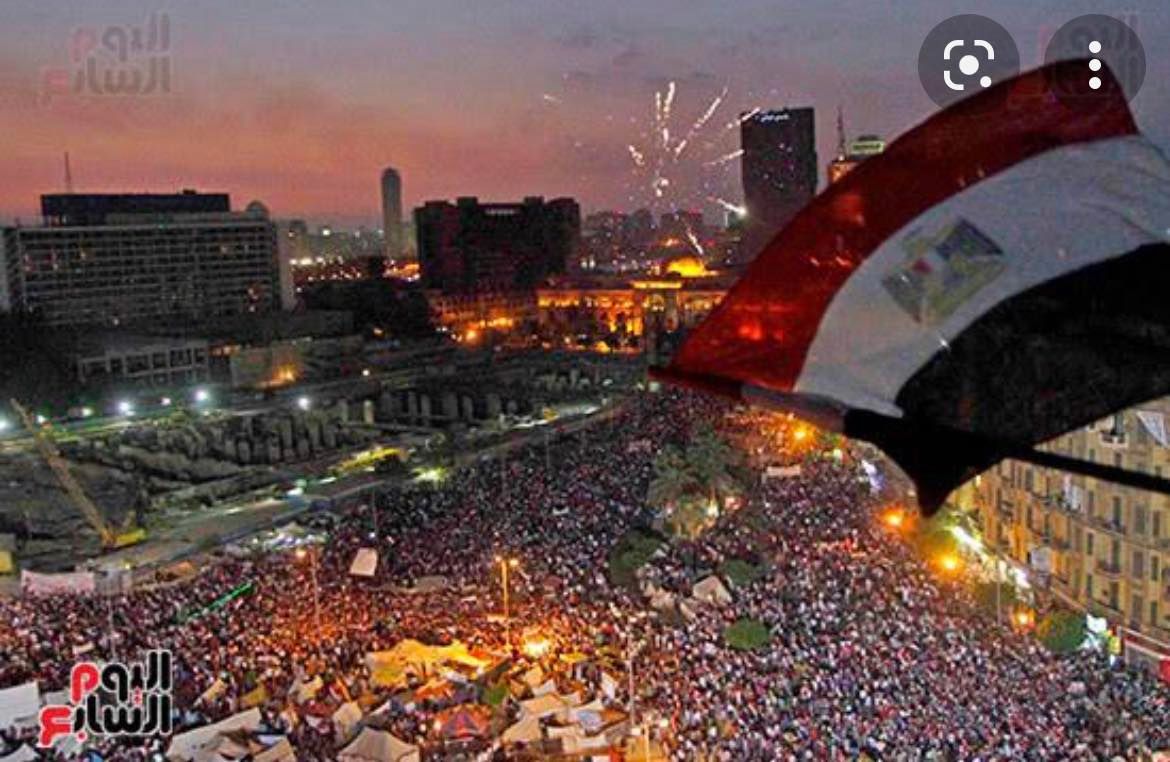
A people’s revolution and a nation’s civilization. .
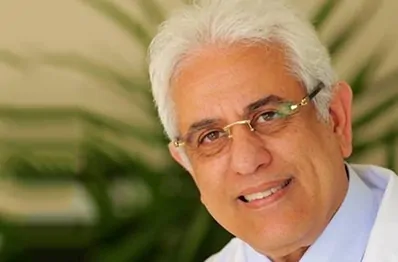
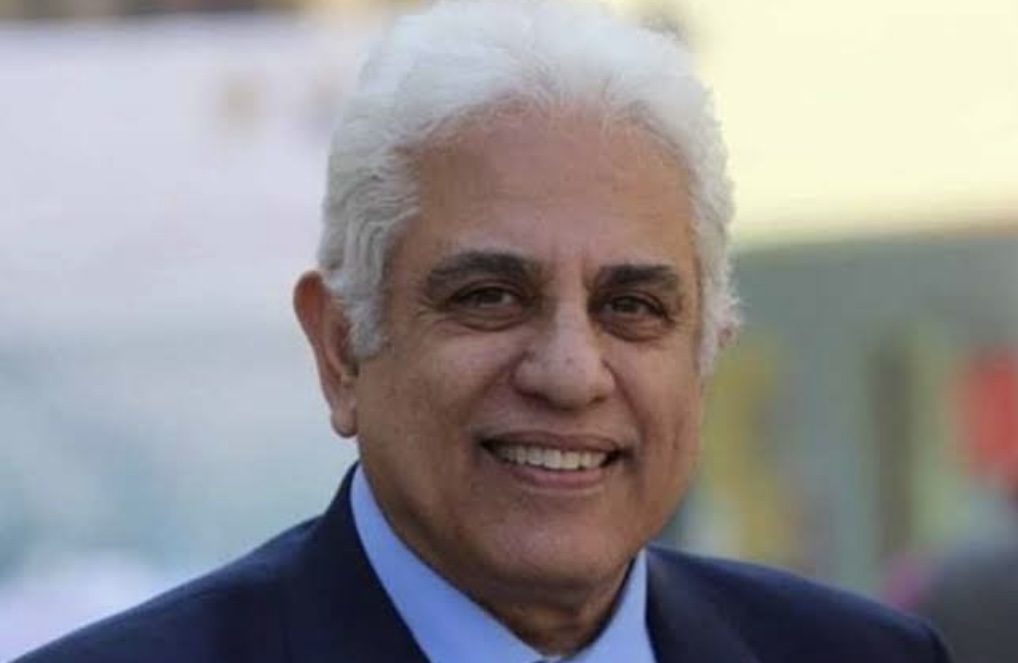
Hossam Badrawi
With the passage of time, people forget their feelings during certain events due to the change of conditions and the change of situations, so the mind re-colors the feelings with the feathers of the new reality, so do we remember our feelings in June 2013 as they were without being affected by what happened afterwards?…
Documenting historical moments is faithful
Its time is very important, not after it.. And the beauty of social media is that no one can change what a person has documented, because it remains, and any writer of history can return to it.
A 20-year-old young man said to me: I was thirteen years old at the time of June 30, and I do not remember my position, but I only remember that my parents took to the streets to support the people’s revolution, so what was your position and how did you trust it..?
I said: I will recount some of what I wrote and documented day by day, perhaps giving you a picture of the reality of this revolution during these days.
On June 13, 2013, I wrote a letter to To Whom It May Concern: Those who do not learn the lessons of history are doomed to repeat it,
The Brotherhood’s insistence on the stubbornness of the people is political suicide, which I saw before, and then I added the next day that the Egyptian people have a sense of civilization more than their rulers imagine.
The rule of the Brotherhood
He failed to respect the pluralism of Egyptian society and did not respect the reality of Egypt’s greatness.
The alternatives were limited, and putting forward the idea of a presidential council after getting rid of the Brotherhood carried with it the differences of the leaders of the ideological moment, which makes the joint leadership a clear path to failure after the disappearance of the common enemy.
Here, the importance and historical duty of the Armed Forces emerged, which is to protect the choice of the people, respect the rights of minorities among them, and prevent those who come to power from encroaching on other authorities.
At this time, the armed forces issued a statement that I will not forget saying: “We are fully responsible for protecting the will of the people. Death is more honorable than harming any of the people of Egypt in the presence of their army.”
A clear and respectful message….
The Brotherhood and the president did not respect their opponents, and wisdom says that the authority that does not respect its opponents loses everything in the end.
And let us remember that what happened in Iran, Afghanistan, Pakistan and Sudan, which lasted for years, was aborted by the great Egyptian people in one year, with the depth of its history and civilization.
I wrote saying: Egypt proves today once again that it is greater, deeper and more ancient than any individual or group.
The Egyptian people are great, and it is proving that they are bigger, deeper, and more comprehensive than what America and the Muslim Brotherhood think.
That was on the 29th of June specifically, as we were clearly seeing the scene, and as much as I am proud of the peaceful demonstrations that express the pluralism and freedom of the Egyptian people, my fear was about preparing for the next stage to avoid chaos?
What the Egyptian people did in the fields of liberation and the fields of Egypt today was unprecedented for a great people writing a new history, and a warning to any ruler who rules
With the same standards as the head of the Muslim Brotherhood….
On the first of July 2013 I wrote my vision of a roadmap:
An administration in the Supreme Judicial Council or the Constitutional Court, with the protection of the army, with the aim of reformulating the constitution and the laws for the exercise of political rights.
Emphasis on not mixing religion and its noble call with politics, or using it as a means to achieve political gains, or to prevent or exclude citizenship rights from citizens.
Formation of a government of competent people headed by a respected economist. It is desirable that its members do not have partisan political affiliations.
If this period lasts for at least a year, after which a new president of the republic will be elected within the framework of a constitution that respects everyone and does not discriminate between citizens.
After the election of the president by the constitution, which does not discriminate between citizens, the people’s councils and the People’s Assembly will be elected within the framework of the new direct political rights law.
And I added: Everyone who has the ability or added value in public work should volunteer it to support this government and work for its success until the election of the president.
Politicians who wish to serve the people must present their positive visions and their means to achieve them in a competitive framework that builds and does not destroy public opinion throughout this period.
Egypt needed a transitional period, and the Brotherhood will not be able to ride on this revolution during it, as it is against them, against extremism, against exclusion, lying, threatening violence, narrow-mindedness, and imposing one opinion.
My tweet was: What we see from the masses of Egypt is the greatest revolutionary movement in contemporary history, limited in time and yet unstoppable.
And the lesson that the Egyptian people give to everyone is about to end, and thanks to the Brotherhood for uniting the people together with the army and police once again.
The biggest catastrophe was in the Brotherhood President’s speech on July 2, as I wrote after him:
As a doctor, I see that the Brotherhood, with the unprecedented speech of the president announcing the bloodshed of those who oppose them, turned from a chronic disease that can be treated and dealt with into a malignant tumor.
What does this man rely on? If the army, police, judiciary, media, art, intellectuals, state institutions, workers, peasants, and the majority of the people are against it…
Morsi’s speech was unreasonable, threatening and threatening and giving people a choice between the Brotherhood staying in power or shedding their blood. I think it was a speech that ended the myth of the Brotherhood forever.
I have never seen in my life such a threat from an official to his people, the subject needed a mental hospital.
This day was the most important in all of Egypt’s history. The people’s assertion of a claim is what gave the armed forces the mandate and ability they were entitled to.
The Egyptian people are multi-identity, but they are united in the love of the country, they are religious in nature, Islam and Christianity, but they are open-minded to the world, which an occupier cannot accommodate.
Our great army has heard the call of its people, boldly and ably
Mabrouk lifts the clouds, removes the curse, and restores Egypt to a bright, promising and happy country with the greatness of its people.
This was the revolution of the people and the state, as all official state institutions supported the unprecedented popular will in history.
Hossam Badrawi
With the passage of time, people forget their feelings during certain events due to the change of conditions and the change of situations, so the mind re-colors the feelings with the feathers of the new reality, so do we remember our feelings in June 2013 as they were without being affected by what happened afterwards?…
Documenting historical moments is faithful
Its time is very important, not after it.. And the beauty of social media is that no one can change what a person has documented, because it remains, and any writer of history can return to it.
A 20-year-old young man said to me: I was thirteen years old at the time of June 30, and I do not remember my position, but I only remember that my parents took to the streets to support the people’s revolution, so what was your position and how did you trust it..?
I said: I will recount some of what I wrote and documented day by day, perhaps giving you a picture of the reality of this revolution during these days.
On June 13, 2013, I wrote a letter to To Whom It May Concern: Those who do not learn the lessons of history are doomed to repeat it,
The Brotherhood’s insistence on the stubbornness of the people is political suicide, which I saw before, and then I added the next day that the Egyptian people have a sense of civilization more than their rulers imagine.
The rule of the Brotherhood
He failed to respect the pluralism of Egyptian society and did not respect the reality of Egypt’s greatness.
The alternatives were limited, and putting forward the idea of a presidential council after getting rid of the Brotherhood carried with it the differences of the leaders of the ideological moment, which makes the joint leadership a clear path to failure after the disappearance of the common enemy.
Here, the importance and historical duty of the Armed Forces emerged, which is to protect the choice of the people, respect the rights of minorities among them, and prevent those who come to power from encroaching on other authorities.
At this time, the armed forces issued a statement that I will not forget saying: “We are fully responsible for protecting the will of the people. Death is more honorable than harming any of the people of Egypt in the presence of their army.”
A clear and respectful message….
The Brotherhood and the president did not respect their opponents, and wisdom says that the authority that does not respect its opponents loses everything in the end.
And let us remember that what happened in Iran, Afghanistan, Pakistan and Sudan, which lasted for years, was aborted by the great Egyptian people in one year, with the depth of its history and civilization.
I wrote saying: Egypt proves today once again that it is greater, deeper and more ancient than any individual or group.
The Egyptian people are great, and it is proving that they are bigger, deeper, and more comprehensive than what America and the Muslim Brotherhood think.
That was on the 29th of June specifically, as we were clearly seeing the scene, and as much as I am proud of the peaceful demonstrations that express the pluralism and freedom of the Egyptian people, my fear was about preparing for the next stage to avoid chaos?
What the Egyptian people did in the fields of liberation and the fields of Egypt today was unprecedented for a great people writing a new history, and a warning to any ruler who rules
With the same standards as the head of the Muslim Brotherhood….
On the first of July 2013 I wrote my vision of a roadmap:
An administration in the Supreme Judicial Council or the Constitutional Court, with the protection of the army, with the aim of reformulating the constitution and the laws for the exercise of political rights.
Emphasis on not mixing religion and its noble call with politics, or using it as a means to achieve political gains, or to prevent or exclude citizenship rights from citizens.
Formation of a government of competent people headed by a respected economist. It is desirable that its members do not have partisan political affiliations.
If this period lasts for at least a year, after which a new president of the republic will be elected within the framework of a constitution that respects everyone and does not discriminate between citizens.
After the election of the president by the constitution, which does not discriminate between citizens, the people’s councils and the People’s Assembly will be elected within the framework of the new direct political rights law.
And I added: Everyone who has the ability or added value in public work should volunteer it to support this government and work for its success until the election of the president.
Politicians who wish to serve the people must present their positive visions and their means to achieve them in a competitive framework that builds and does not destroy public opinion throughout this period.
Egypt needed a transitional period, and the Brotherhood will not be able to ride on this revolution during it, as it is against them, against extremism, against exclusion, lying, threatening violence, narrow-mindedness, and imposing one opinion.
My tweet was: What we see from the masses of Egypt is the greatest revolutionary movement in contemporary history, limited in time and yet unstoppable.
And the lesson that the Egyptian people give to everyone is about to end, and thanks to the Brotherhood for uniting the people together with the army and police once again.
The biggest catastrophe was in the Brotherhood President’s speech on July 2, as I wrote after him:
As a doctor, I see that the Brotherhood, with the unprecedented speech of the president announcing the bloodshed of those who oppose them, turned from a chronic disease that can be treated and dealt with into a malignant tumor.
What does this man rely on? If the army, police, judiciary, media, art, intellectuals, state institutions, workers, peasants, and the majority of the people are against it…
Morsi’s speech was unreasonable, threatening and threatening and giving people a choice between the Brotherhood staying in power or shedding their blood. I think it was a speech that ended the myth of the Brotherhood forever.
I have never seen in my life such a threat from an official to his people, the subject needed a mental hospital.
This day was the most important in all of Egypt’s history. The people’s assertion of a claim is what gave the armed forces the mandate and ability they were entitled to.
The Egyptian people are multi-identity, but they are united in the love of the country, they are religious in nature, Islam and Christianity, but they are open-minded to the world, which an occupier cannot accommodate.
Our great army has heard the call of its people, boldly and ably
Mabrouk lifts the clouds, removes the curse, and restores Egypt to a bright, promising and happy country with the greatness of its people.
This was the revolution of the people and the state, as all official state institutions supported the unprecedented popular will in history.